Wavy hair is actually the easiest texture for an Edgar cut to pull off. The bend in the strand holds a sharp fringe line without the frizz curly hair fights, or the flatness straight hair falls into by afternoon. Here are 14 ways barbers are cutting it right now.
1. Classic Edgar Cut

This is the cut most people picture with the word Edgar — short top, tapered sides, a dead straight line across the forehead. Wavy hair holds that line better than straight hair does.
Ask for a taper instead of a fade if you want less upkeep. It softens the grow-out and skips the fade’s 2-week touch-up cycle.
2. Edgar Crop with Skin Fade
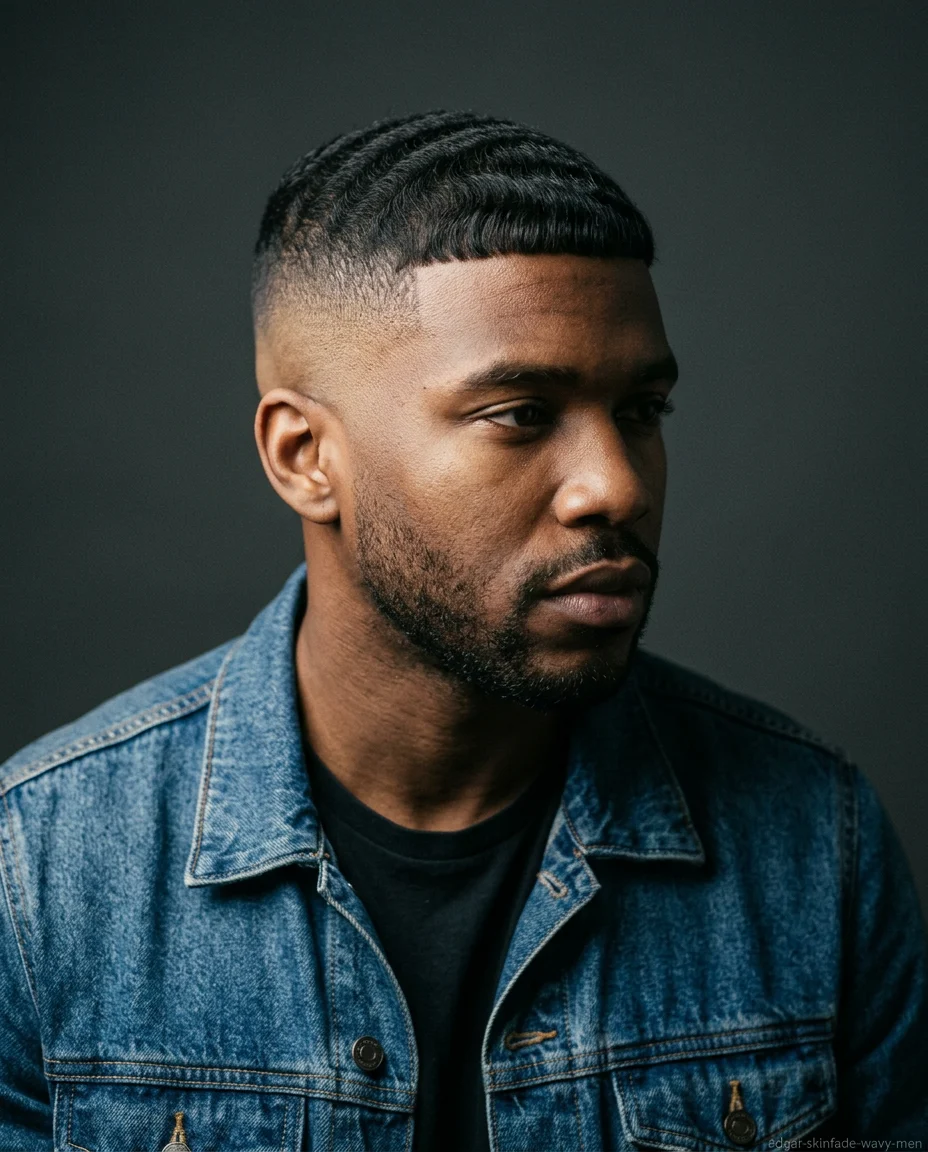
Same crop, sides shaved to skin instead of tapered. Sharper contrast, and it photographs better for a Pinterest board.
The trade-off is upkeep. A skin fade blurs out by day 10, so plan on a cut every 2 to 3 weeks or the style loses its point.
3. Wavy Edgar Fringe
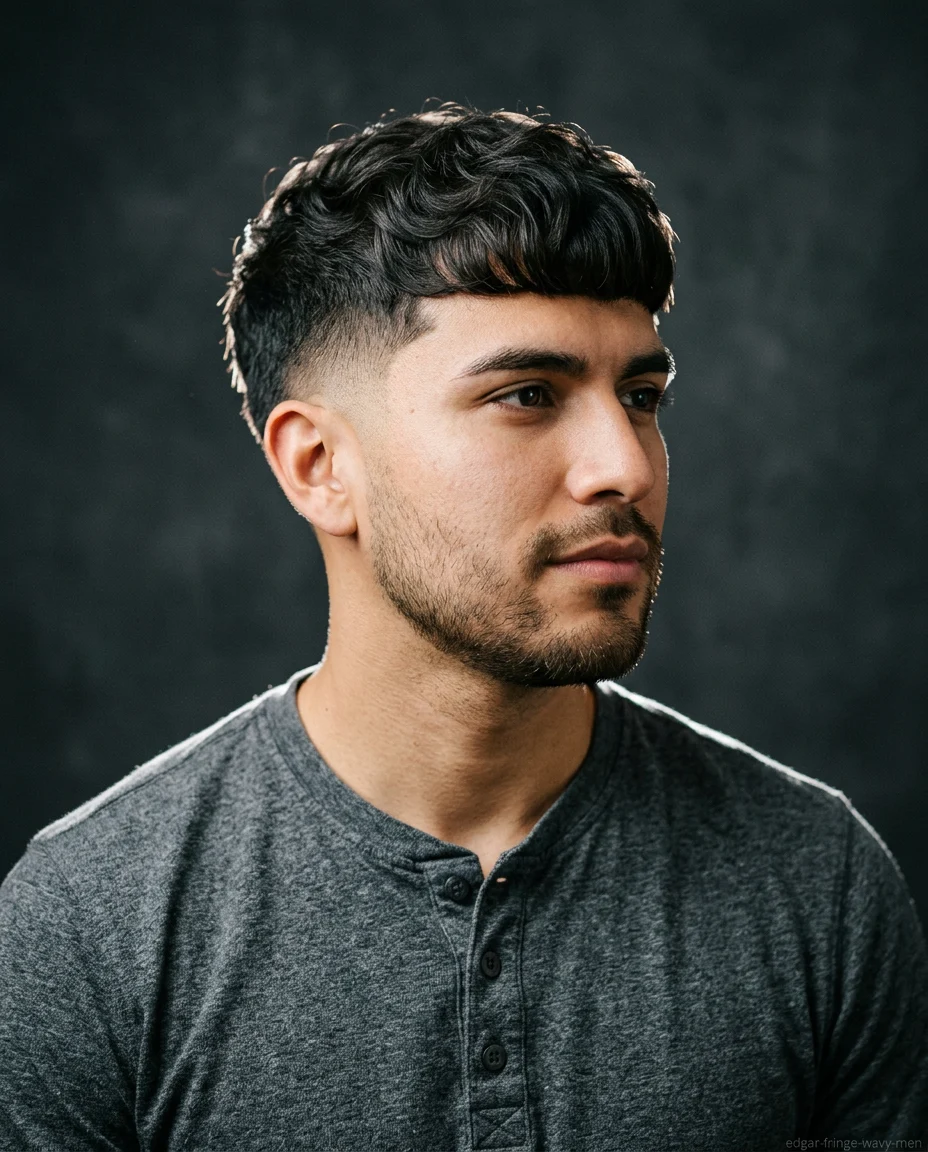
This version leans into the wave instead of fighting it. Top length stays around 2 to 3 inches so the movement shows instead of getting cut away.
A light pomade keeps the wave defined without flattening it. Most guys use too much and end up greasy instead of textured.
4. Edgar with Low Taper
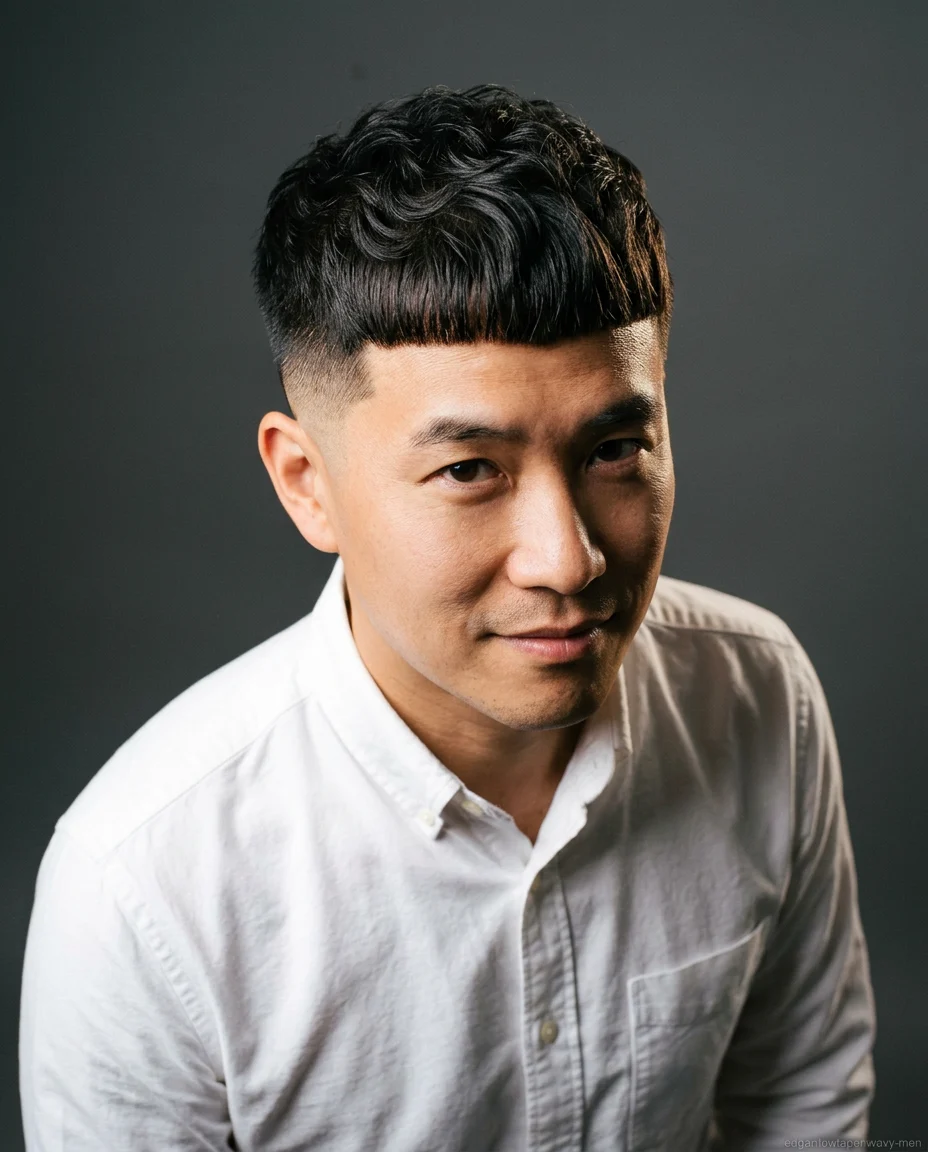
Low taper keeps the fade near the neckline instead of climbing toward the temple. It’s the quiet version — office-friendly, forgiving to grow out.
The honest answer is this works better than most people expect for guys who want the look without constant upkeep.
5. Edgar Mullet Crop
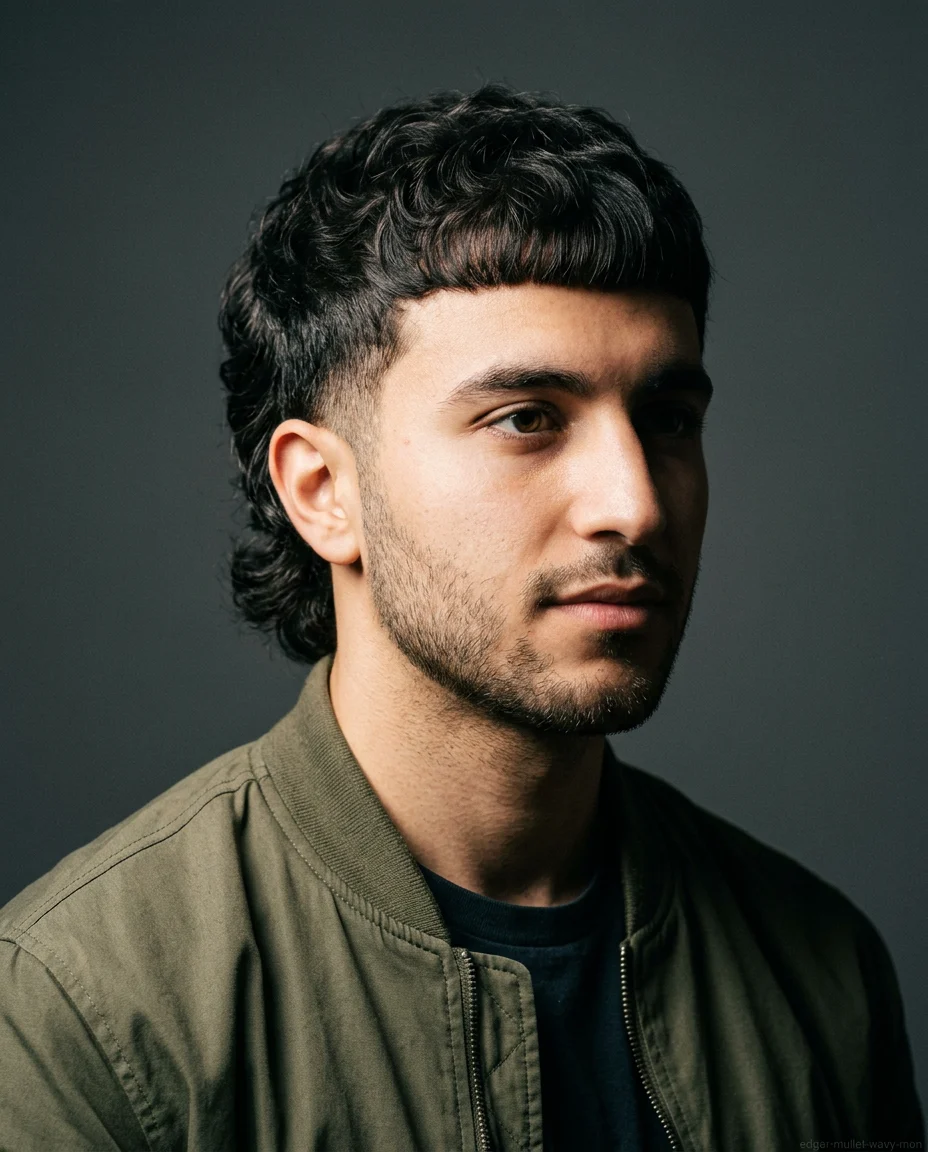
Short fringe up front, extra length left at the back and nape. Most guides skip this pairing, but wavy hair sells it better than any other texture.
Growing it out takes patience. The back needs about 4 months before it reads as intentional instead of overdue.
6. Textured Edgar with Mid Fade
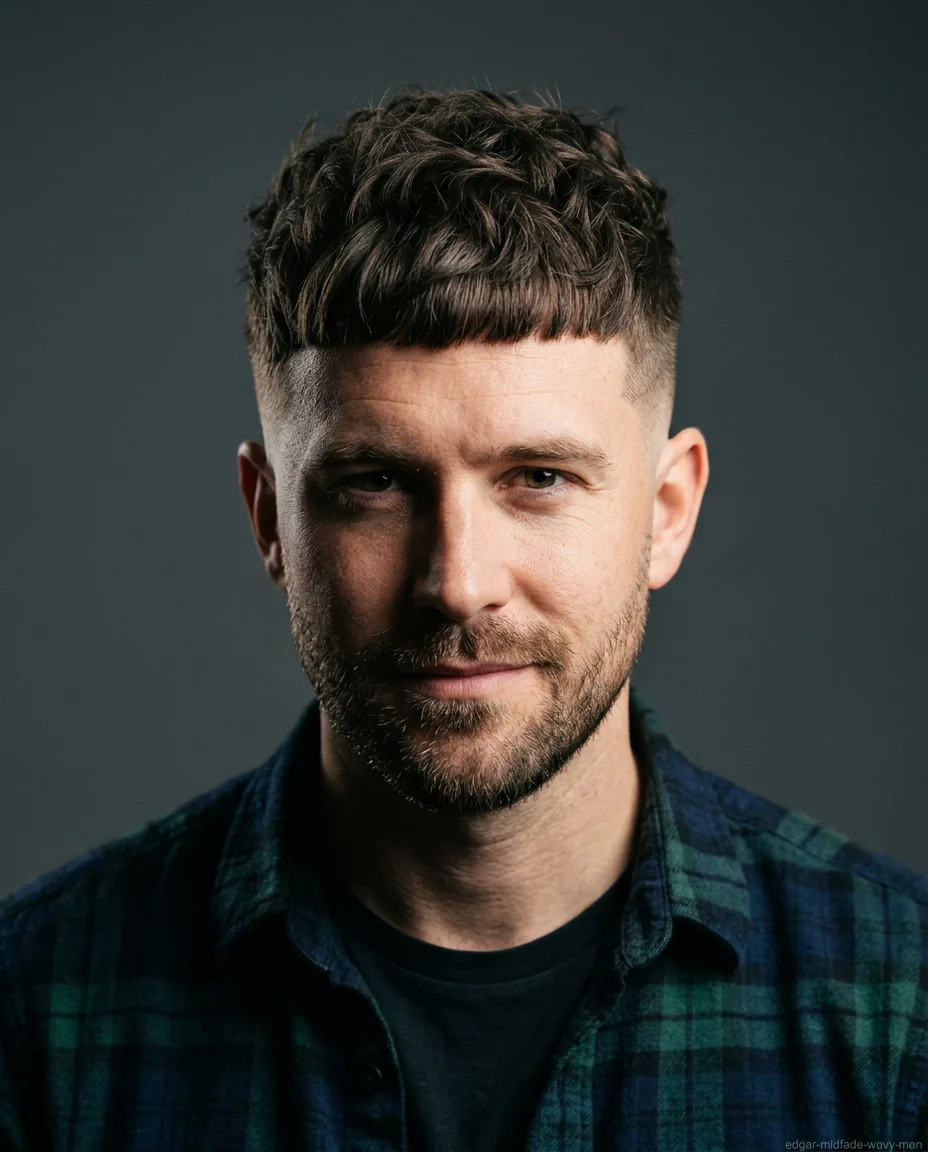
Choppy, uneven texture on top instead of a smooth crop. Wavy hair does most of the work here — point-cut the ends and the wave handles the rest.
Mid fade sits between the low and high options and is what most barbers default to. Ask for it by name anyway.
7. Edgar Undercut
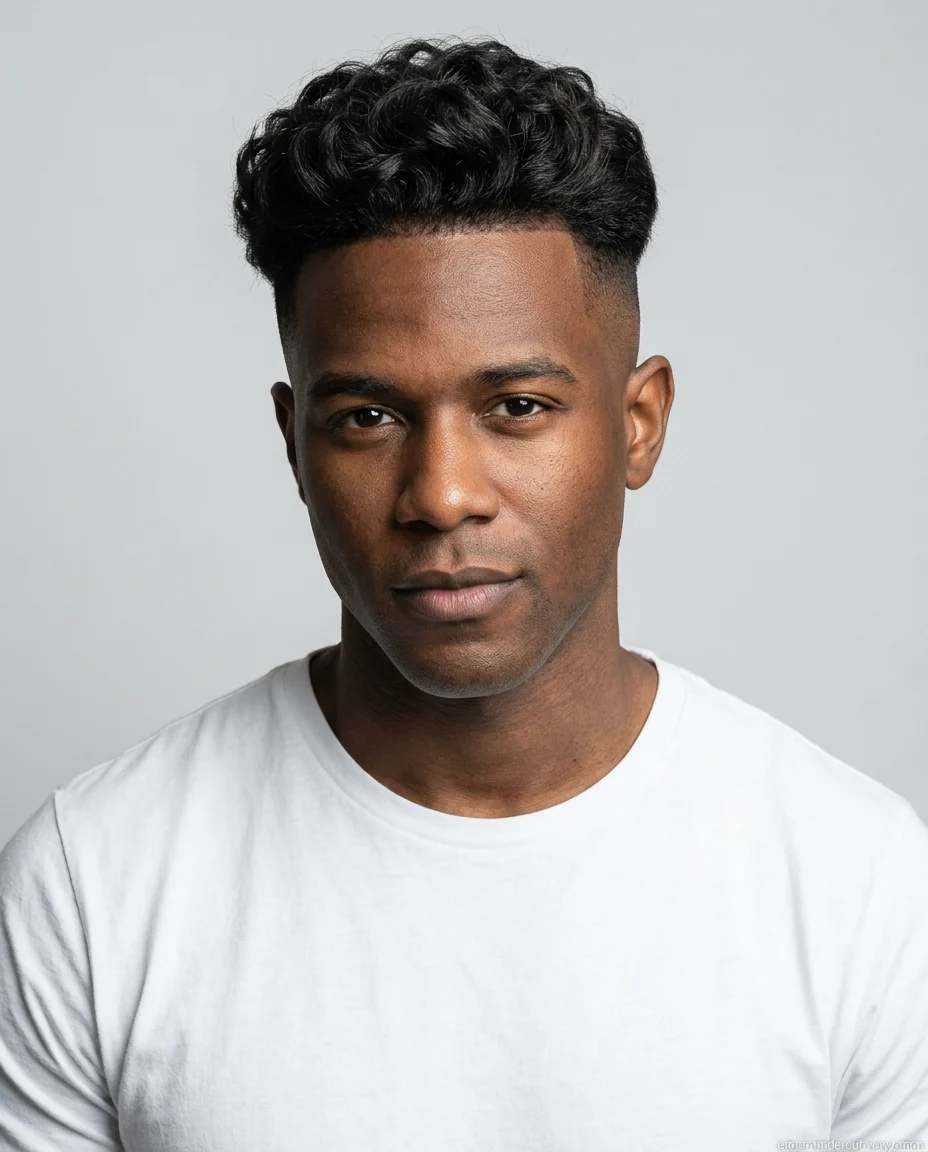
The wavy top stays loose, disconnected from a close-shaved undercut underneath. It reads younger than the tapered versions and suits hair with some volume.
Disconnected cuts need closer to 5 weeks between visits. The whole point is the gap, and it takes a while to close in.
8. Edgar with Hard Part
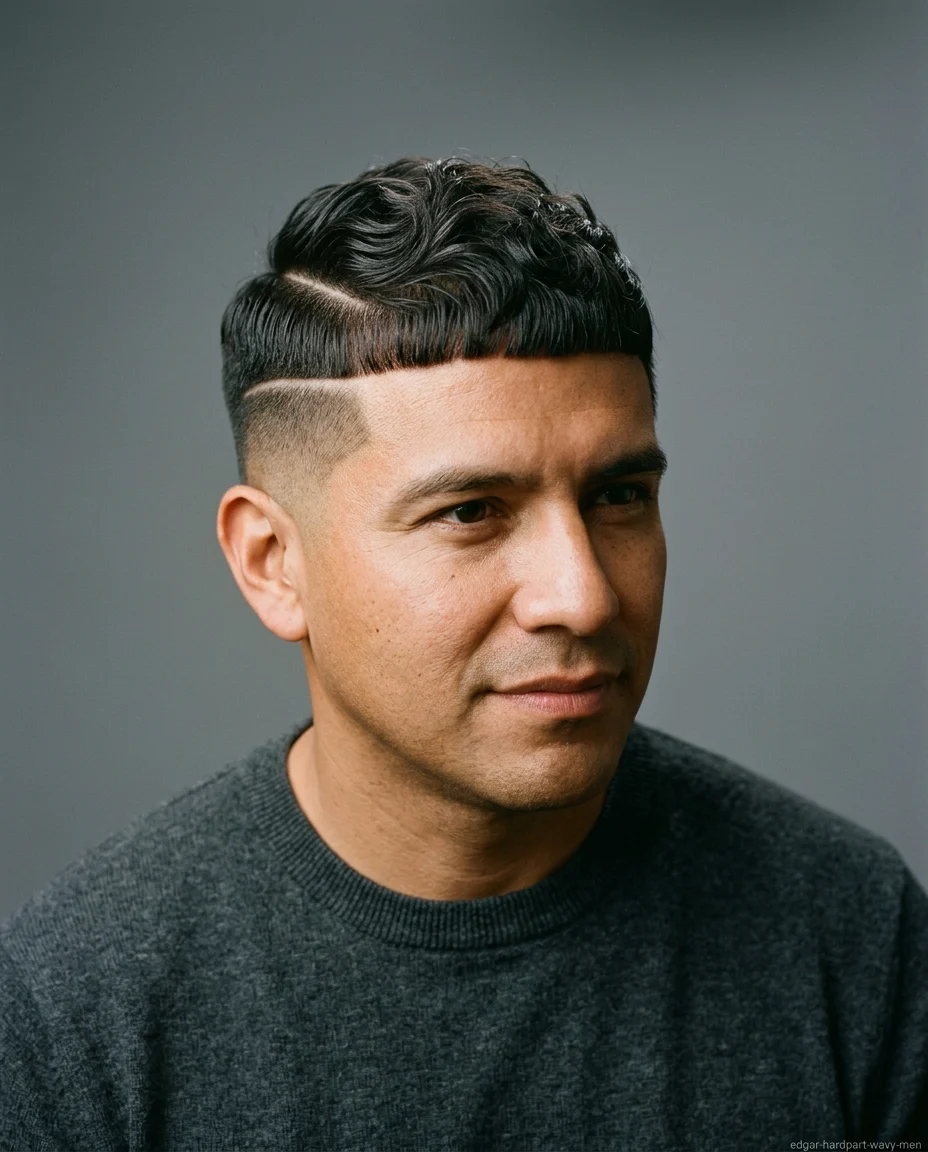
A razor-shaved line above the temple adds a second sharp edge to match the fringe. On wavy hair, the top texture keeps two straight lines from looking too rigid.
The part needs re-shaving every 10 to 14 days to stay crisp, or it grows in fuzzy.
9. Messy Wavy Edgar
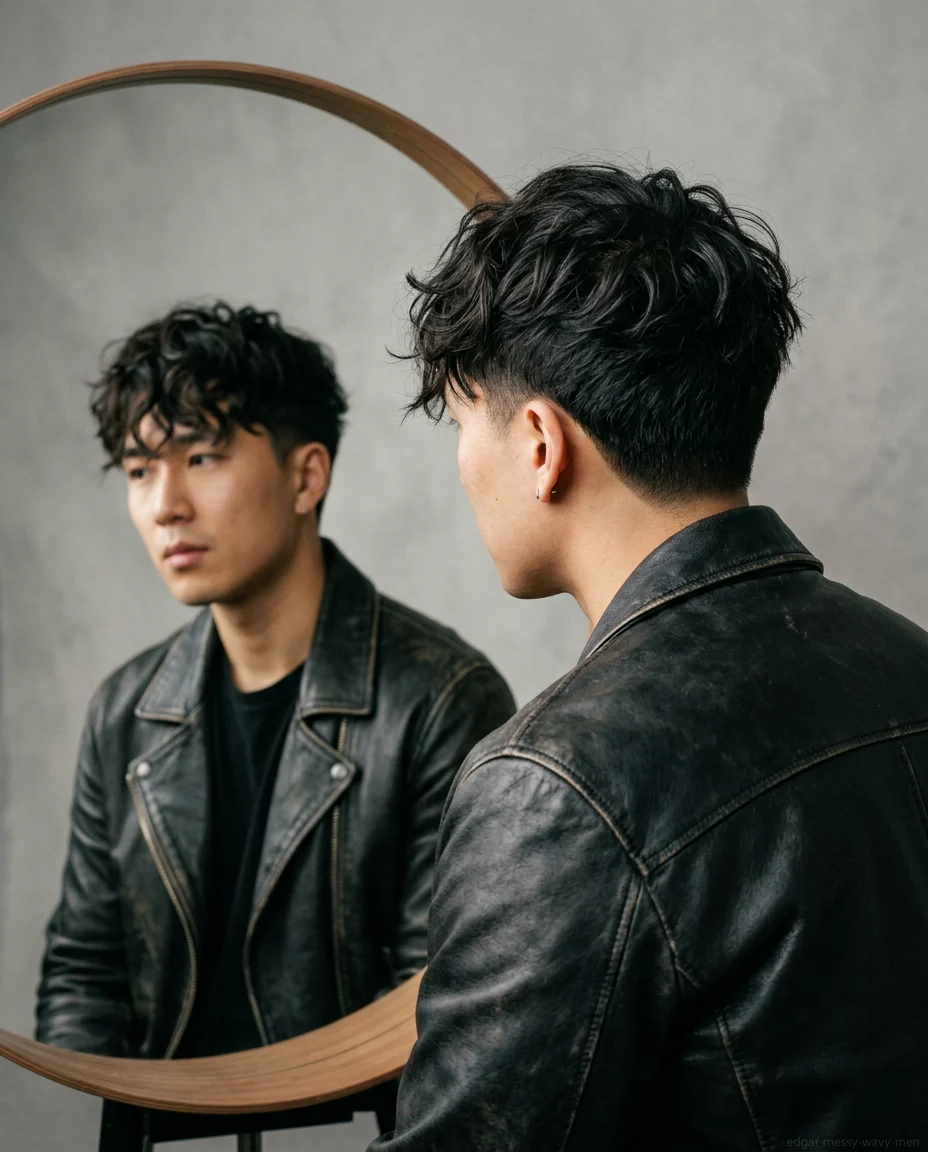
Same bones as the classic cut, styled to look undone. Sea salt spray and finger-styling replace the comb, and the fringe loses its ruler-straight finish.
It’s the lowest-effort version day to day — about 3 minutes and a blast of dry shampoo at the roots.
10. Edgar Buzz Fade

Cut the top short enough that the wave barely shows, then fade the sides in tight. Lowest maintenance on this list, and it grows out the most evenly.
Most guides don’t mention that a buzzed Edgar loses some identity. This short, it reads as a regular fade with a fringe.
11. Edgar with High Fade
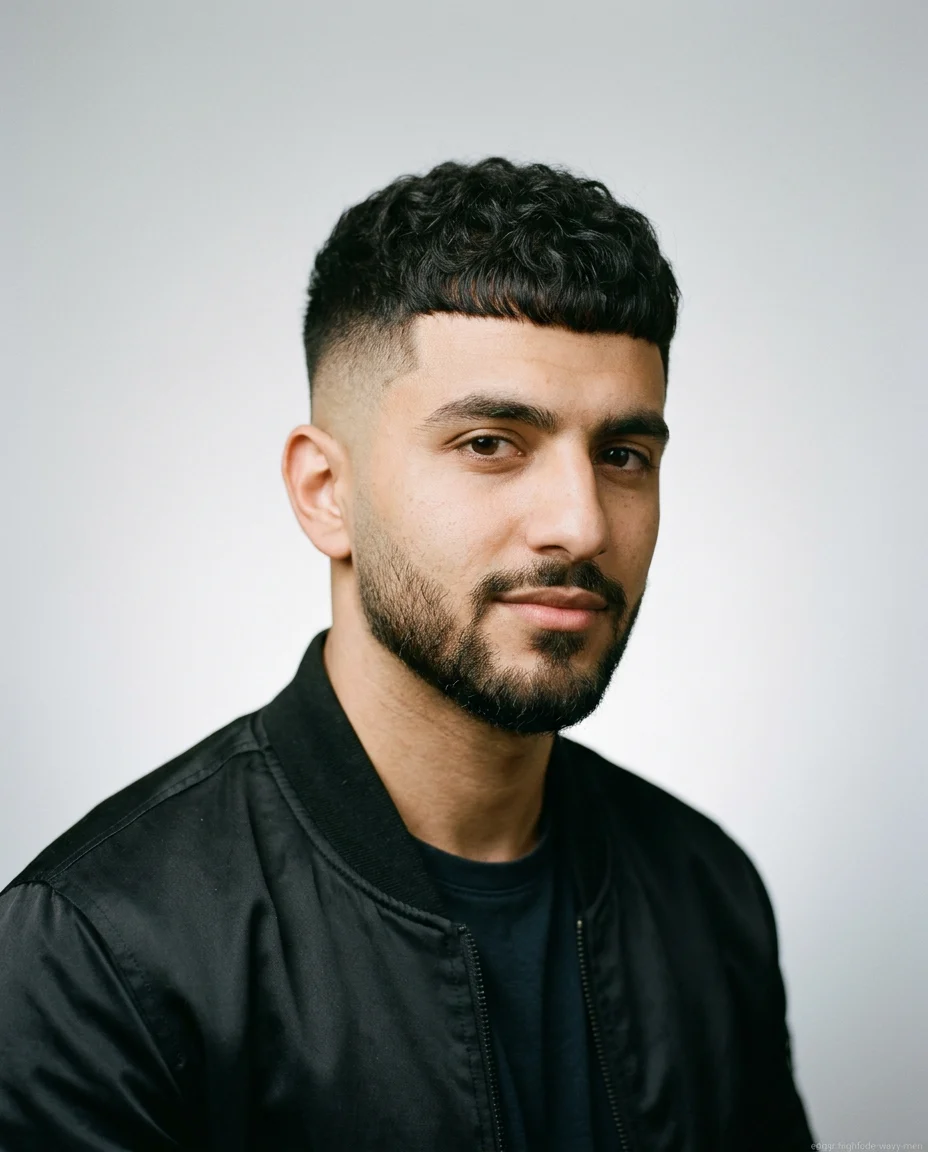
High fade pushes contrast as far as it goes, with the shaved section climbing well above the ear. Sharpest option here, and the one most likely to get compliments the day you leave the chair.
It’s also the worst-looking option by week 3 — more surface area means faster grow-out.
12. Wavy Edgar Quiff
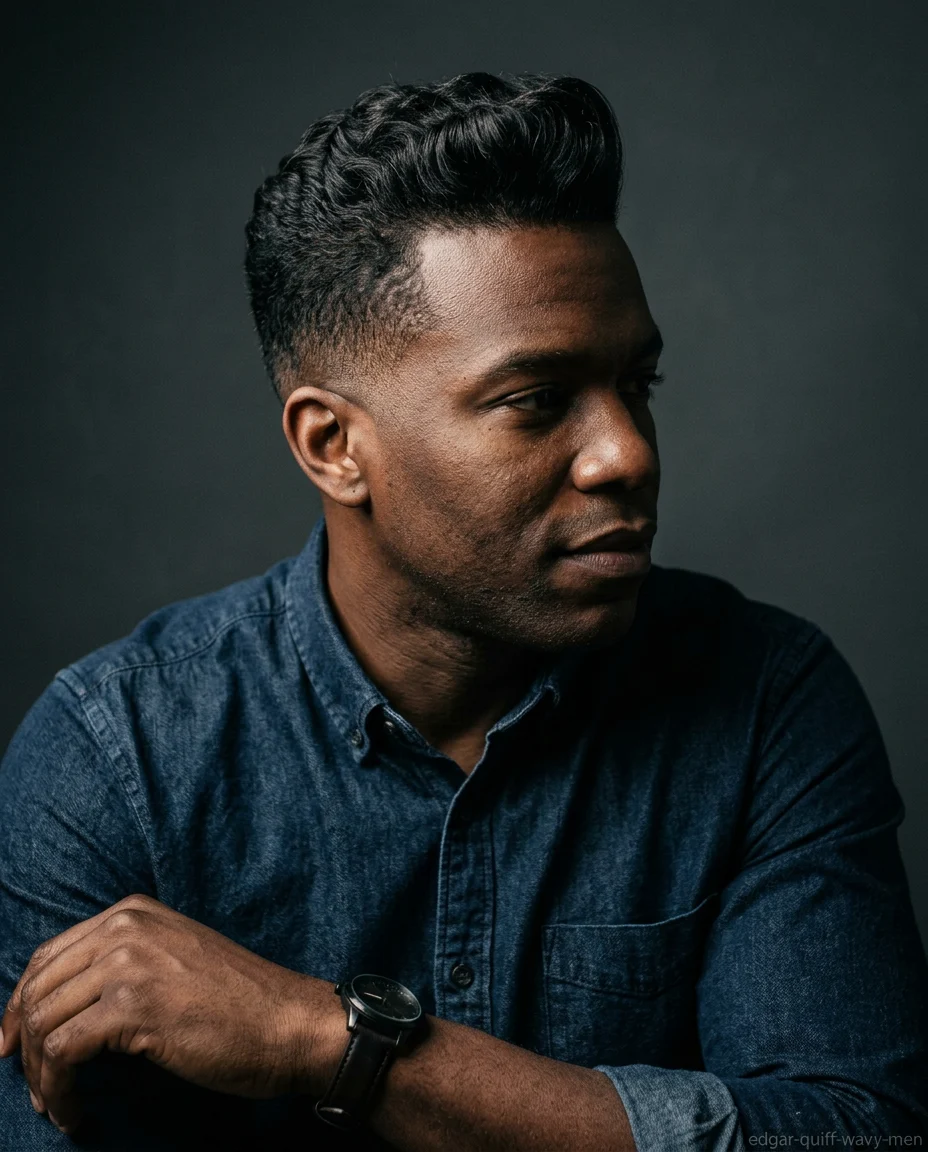
Push the wavy fringe up and back instead of down, and you get a short quiff instead of a flat crop. Takes a blow-dryer and round brush, about 4 minutes each morning.
This is the one style here that looks better on second-day hair. Fresh-washed waves are too slippery to hold the shape.
13. Edgar Temple Fade
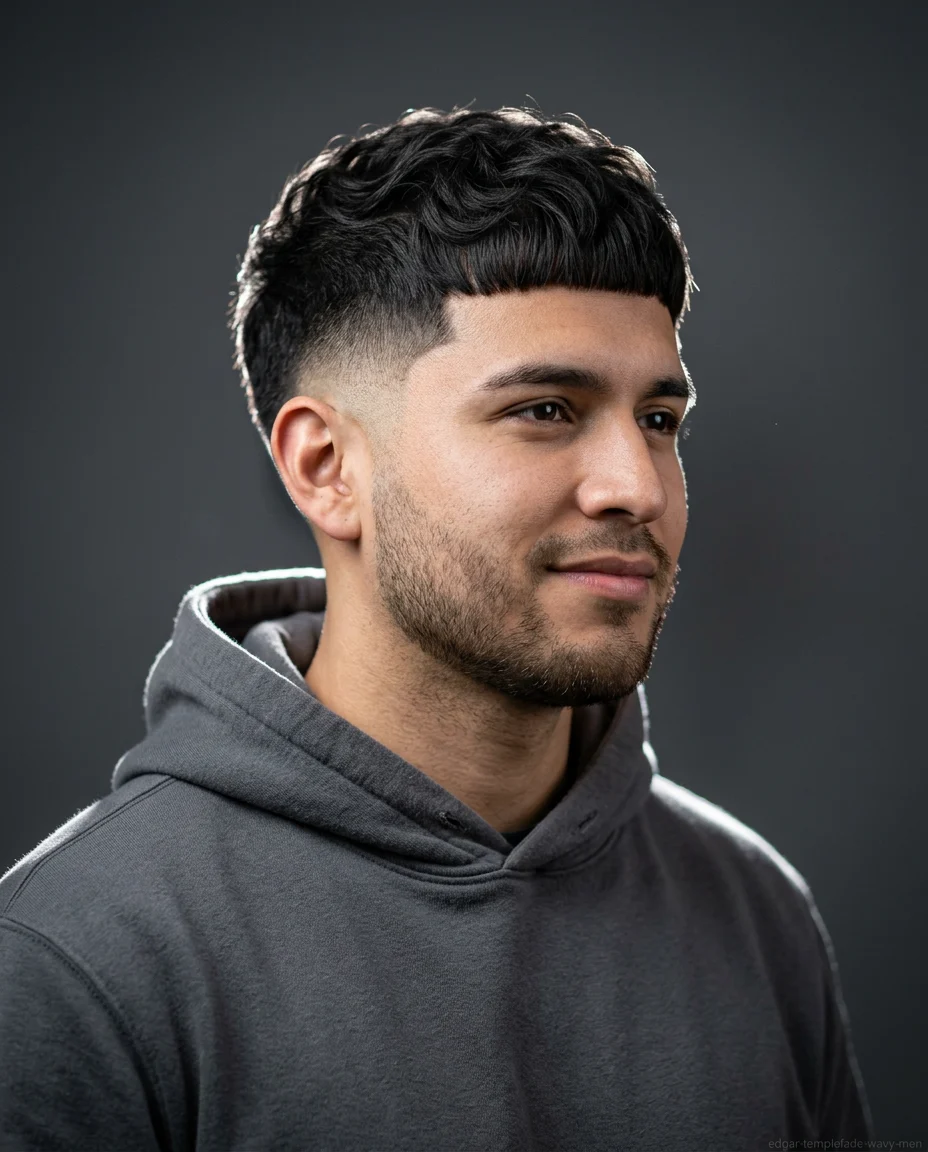
The fade shaves in tight right at the temple instead of blending gradually from the ear. Smaller and more targeted than the high fade, with more length left at the crown.
Barbers like this one because it’s forgiving between appointments — the temple area grows in slower than the rest of the sides.
14. Short Edgar Pompadour Crop

The shortest pompadour you can still call a pompadour. Wavy hair sweeps back and up, but the length stays close enough to read as an Edgar variant rather than a full pompadour.
It holds shape longer than the quiff version since the length is shorter overall, and needs less product to last a full workday.