The Best Low Fade Haircuts for Men with Wavy Hair That Barbers Actually Love Cutting
Wavy hair sits in an interesting middle ground. It has more natural movement than straight hair but less structure than curly hair, which means it responds well to a low fade without needing much product to hold a shape. The wave does the visual work on top — the fade just frames it. Get the balance right and you end up with a cut that looks considered on day one and still presentable on day four when you’ve done basically nothing to it.
Barbers genuinely enjoy cutting wavy hair because the texture is cooperative. It moves the way you ask it to, holds a style without fighting you, and photographs well at almost every length. The low fade is the right pairing here specifically — it’s subtle enough not to compete with the wave pattern on top, and clean enough to make the whole cut look intentional. These 10 options run from sharp and structured to loose and relaxed, covering the full range of what wavy hair can do with the right cut underneath it.
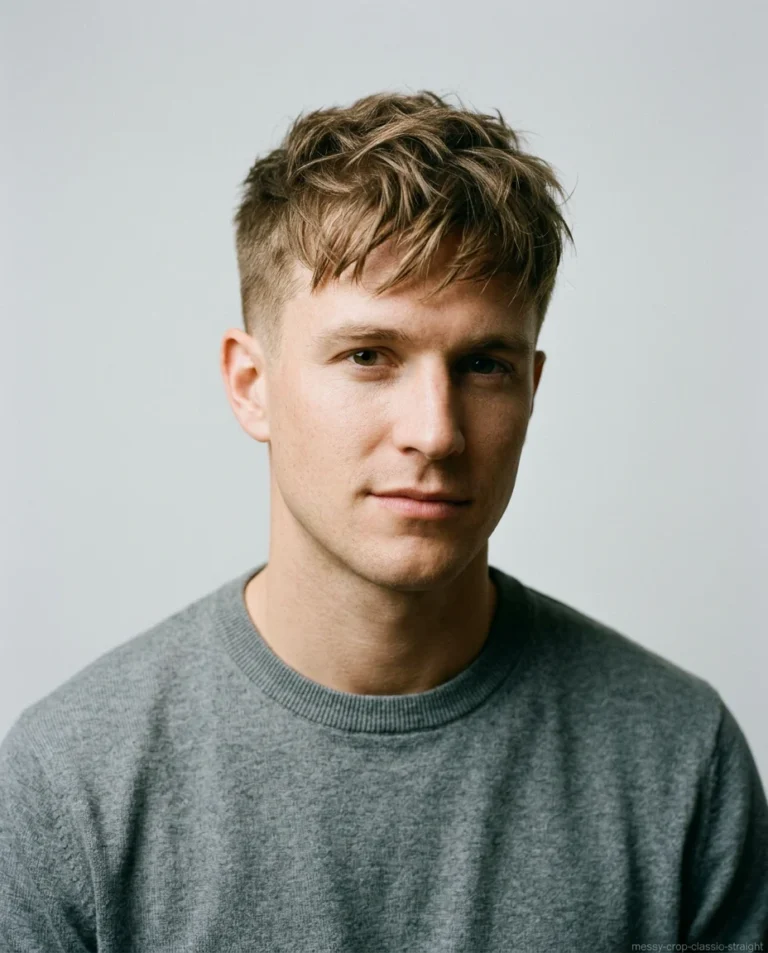
1. Low Fade with Wavy Textured Crop

The wavy textured crop is one of those cuts that barbers actually look forward to because wavy hair makes it significantly easier to execute well. The top sits at around an inch to an inch and a half, short enough to keep the waves compact and defined rather than falling loose and formless. At that length the wave pattern shows clearly — each section sits slightly differently from the next, giving the top real texture without any product required. The low fade underneath keeps the sides tight and gives the short top enough visual contrast to read as a deliberate style rather than a neglected one.
Maintenance on this cut is about as low as it gets. Every 3 to 4 weeks to the barber, a light sea salt spray on damp hair if you want more wave definition, and you’re done. The honest limitation is face shape — this cut works well on oval, square, and diamond faces where the short top doesn’t draw attention to length. On longer face shapes it can make the face appear even longer, so it’s worth thinking about before committing. A good barber will flag this, but not all of them do.
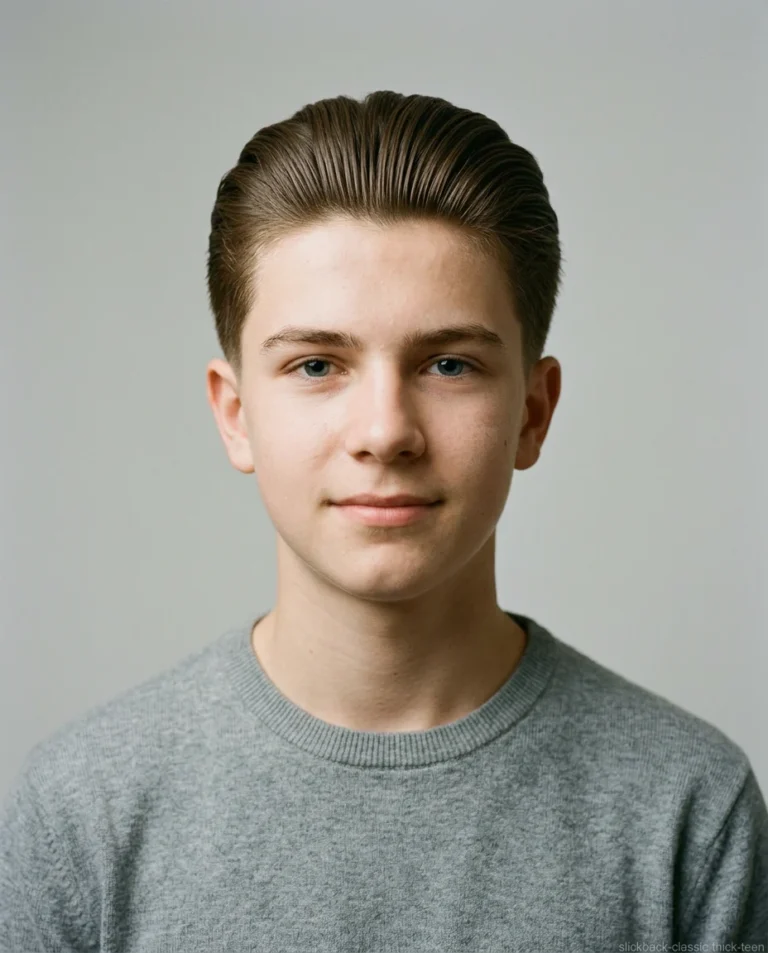
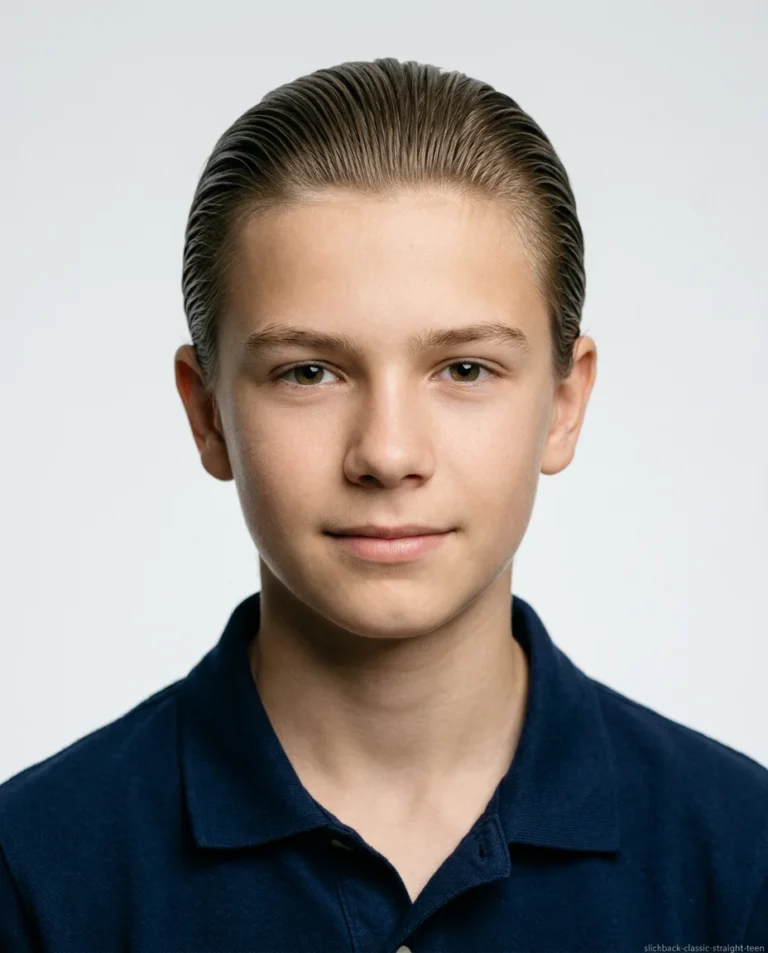
2. Low Fade with Wavy Slick Back

Wavy hair slicked back looks better than straight hair slicked back — full stop. The waves add movement and dimension to what on straight hair can look flat and one-dimensional. The wave pattern runs from front to back, catching light along each ridge and giving the whole top a natural depth that requires zero effort to achieve. Paired with a low fade and a blazer, this is one of the most versatile looks on this list — it works at a job interview, a wedding, and a casual dinner without changing anything about the cut.
The product choice matters more here than on most other cuts. A medium-hold pomade with some shine keeps the waves visible and the slick back in place without looking greasy. A light wax is the alternative if you want less shine and a slightly more relaxed finish. Either way, apply on damp hair after a shower, comb straight back, and let it set. Avoid heavy gels — they stiffen the waves and kill the movement that makes this cut work. Touch up the fade every 3 weeks or the sides start blending into the top and the slick back loses its definition.
3. Low Fade with Wavy Side Part

The wavy side part with a hard part shaved in is one of those cuts that looks like it belongs in a boardroom and on a rooftop bar simultaneously. The hard part — a razor line cut directly into the hair at the natural part — gives this cut an edge that a soft part simply doesn’t have. On wavy hair the longer side sweeps across with natural body and movement, which means you get a structured look without the stiffness that straight hair sometimes brings to this style. The low fade on the shorter side blends cleanly into the shaved part line.
This is a higher-maintenance cut than it looks. The hard part softens within 10 days and starts blending back into the surrounding hair, so if you want to keep the sharp look you’ll need touch-ups more often than the rest of the cut requires. The fade and top can go 3 to 4 weeks easily, but the part is closer to every 2 weeks for those who want it crisp. A medium-hold cream on the longer wavy side — worked through on damp hair and combed across — keeps the wave pattern intact without the crunch of a gel.
4. Low Fade with Wavy Ivy League

The Ivy League is essentially a longer crew cut — short on the sides, slightly longer on top, with enough length at the front to push forward or to the side. On wavy hair it’s one of the cleanest options available because the waves add texture to what on straight hair can look almost too neat and flat. The wave pattern at the front creates a natural, slightly disheveled finish that stops the cut from looking stiff or overly corporate. It’s the kind of haircut that works in an office five days a week and doesn’t require any adjustment for the weekend.
The low fade here is a softer touch than a standard Ivy League usually gets — traditional versions often use a higher fade or a taper, but the low version is more relaxed and suits wavy hair’s natural looseness better. Top length should sit at about 2 to 2.5 inches to give the waves enough room to develop but not so much that the cut starts losing its classic proportions. Almost no product needed — a small amount of matte cream on damp hair, pushed forward slightly, is enough to define the wave at the front without looking styled.
5. Low Fade with Wavy Fringe

Wavy fringe falling forward is one of those combinations that looks genuinely effortless — and mostly is. The waves in the fringe section fall toward the forehead in a loose, natural cluster rather than a blunt straight line, which gives this cut a relaxed European quality that’s hard to achieve with straight hair. The low fade underneath keeps the sides controlled so the fuller fringe doesn’t make the overall shape look heavy or overgrown. At around 2 to 3 inches at the front, the fringe has enough length to wave rather than just flop.
The main thing to know upfront: humidity affects this cut more than almost any other on this list. On dry days the fringe falls forward in clean waves and everything looks intentional. On humid days the waves can swell outward rather than falling forward, and the fringe shape shifts noticeably. An anti-humidity spray helps but most men won’t bother. The honest answer is you accept the slight variation and move on — it still looks fine, just different. Daily styling is minimal: a small amount of wave cream scrunched into damp fringe, left to air dry, and done.
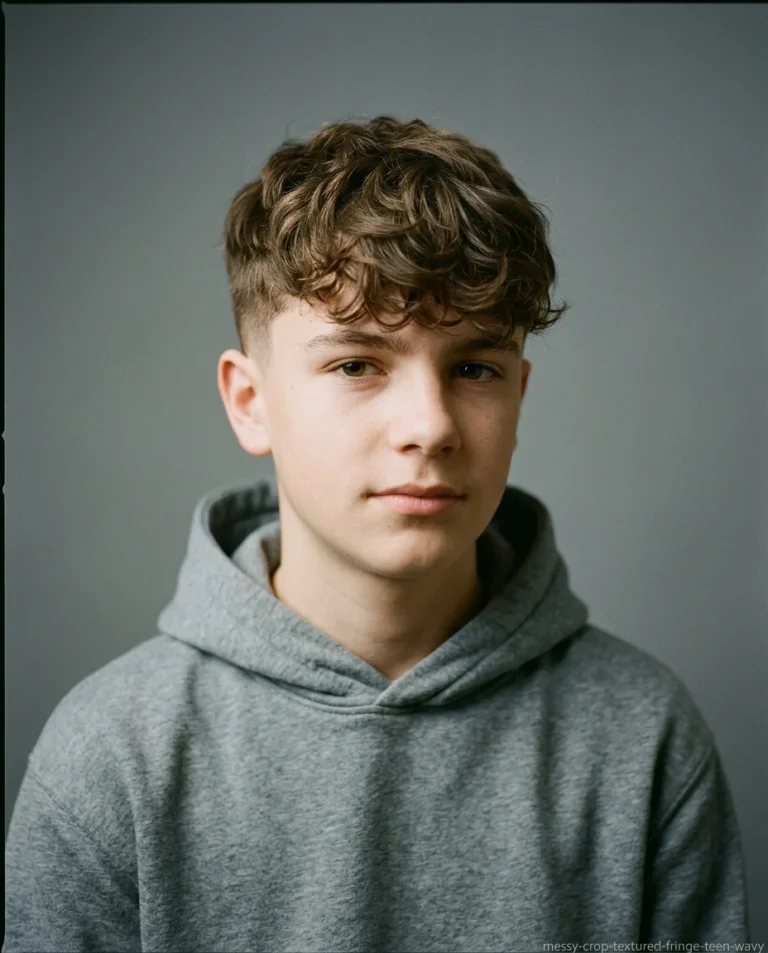
6. Low Fade with Wavy Messy Top

The messy wavy top with a low fade is the most forgiving cut on this list, and that’s not a criticism — it’s the point. The top is left at a medium length, around 3 to 4 inches, with the ends textured so the waves fall loosely without any particular direction. It looks like you ran your hands through it once after a shower and called it done. On wavy hair that actually is all it takes. The low fade underneath stops it from tipping over into looking unkempt by giving the sides a clean edge that signals the messiness on top is deliberate.
This is the cut most wavy-haired men end up with when they describe wanting something low-maintenance that still looks good. It delivers on that better than most guides admit. The only real styling requirement is not over-drying with a towel after washing — rough towel drying breaks up the wave pattern and creates frizz rather than the loose texture you want. Squeeze the hair gently with the towel instead, apply a light sea salt spray or a curl cream while it’s still damp, and let it air dry in whatever direction it falls naturally. Takes about 2 minutes.
7. Low Fade with Long Wavy Top

Long wavy hair on top paired with a low fade is where this hair type really shows what it can do. At 4 to 6 inches the waves develop full length and movement — they fall with real weight, shift when you move, and catch light across the ridges in a way shorter lengths simply can’t replicate. The low fade is doing critical work here: without it, the longer top blends into the sides and the cut loses its shape entirely, looking more overgrown than styled. With it, the contrast between the full wavy top and the tapered sides is what makes the whole thing read as intentional.
Growing this out takes time and patience. The awkward phase hits around weeks 6 to 10 when the top is long enough to be annoying but not long enough to style properly — it flops in different directions without committing to any of them. Most men give up here, which is a shame because another 4 to 6 weeks usually gets you past it. A leave-in conditioner on wash days and a light oil on dry days keeps the waves defined and prevents the frizz that comes with length. Daily maintenance runs about 4 to 6 minutes, which is the real cost of this cut.
8. Low Fade with Wavy Pompadour

The wavy pompadour is one of those cuts where the hair type actively improves the style. A classic pompadour on straight hair can look almost theatrical — very precise, very deliberate, very high-shine. On wavy hair the same shape reads as naturally voluminous rather than forced, because the waves add body to the lift without needing product to manufacture it. The hair goes upward and slightly back, the waves run through the length of it, and the low fade underneath keeps the sides tight enough to make the volume on top look proportional rather than overwhelming.
Styling takes about 5 minutes and requires a medium-hold pomade — enough to keep the lift in place without making the waves look crunchy or wet. Apply on damp hair, blow dry upward and slightly back with a round brush to set the shape, then finish with a light pass of pomade through the top for hold. Don’t overdo the product — wavy hair holds shape more naturally than straight hair and needs less assistance than you think. The fade needs touching up every 2 to 3 weeks or the sides grow in and reduce the contrast that makes the pompadour volume pop.
9. Low Fade with Wavy Quiff

The wavy quiff sits between the pompadour and the messy top in terms of structure — more intentional than the latter, less formal than the former. The hair at the front is pushed forward and slightly upward, the waves add natural lift without requiring blow drying, and the whole thing falls into place with minimal intervention. On wavy hair this cut works better than most people expect because the wave pattern does most of the heavy lifting. The front section has enough body to hold a slight rise on its own, which means you’re maintaining a shape rather than building one from scratch every morning.
The low fade here suits the relaxed energy of the quiff well — a higher fade would make it feel more structured and less casual, which isn’t really the point. Top length should be around 3 to 4 inches for the quiff to have room to work with. A lightweight curl cream or a sea salt spray on damp hair, pushed forward with the fingers and left to air dry, is all the styling most wavy-haired men will need. On days you want more definition, a small amount of matte clay through the front section adds hold without killing the natural movement.
10. Low Fade with Wavy Curtain Hair

Curtain hair on wavy hair is genuinely one of the better combinations going right now. The hair parts in the middle and falls to either side — on wavy hair the sections don’t fall flat the way they do on straight hair, they curve outward and frame the face with real movement. The length at the sides of the top can reach the cheekbones or just past the ear depending on how long you’ve grown it, and the waves get more pronounced and better defined as the length increases. The low fade underneath is the modern detail that stops this from looking like a throwback — without it, long curtain hair reads differently, more period-specific, less current.
Growing curtain hair out from a shorter cut takes around 4 to 6 months, with the genuinely difficult stretch happening between weeks 8 and 14 when the hair is in an in-between length that doesn’t part cleanly or fall neatly. A small amount of lightweight oil — argan or jojoba — applied to slightly damp hair and then left alone does most of what you need on a daily basis. The low fade needs touching up every 3 weeks or the sides start growing in and closing the gap between the faded section and the longer top, which softens the contrast that makes this cut so clean.