Straight hair holds the layered shape with way less effort than curly or wavy textures ever will. Here are 19 versions worth showing your barber.
1. Classic Medium Shag
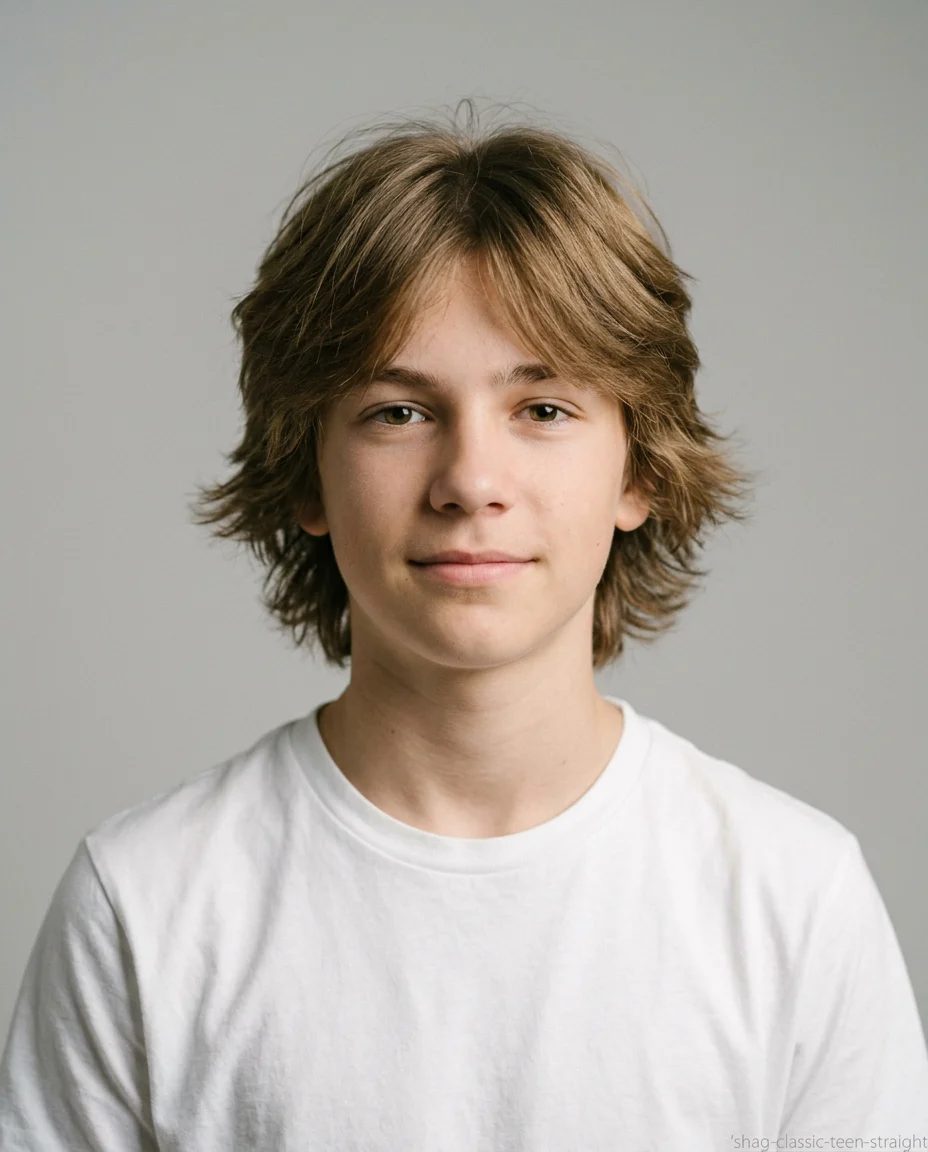
This is the shag everyone pictures first, stuck around since the 70s. Straight hair falls into these layers with almost no effort.
Top length runs 3 to 4 inches, with ends point-cut instead of blunt. That detail separates a real shag from a bad haircut.
Plan a trim every 6 weeks, or the layers blend into one flat mass fast.
2. Medium Shag with Curtain Bangs
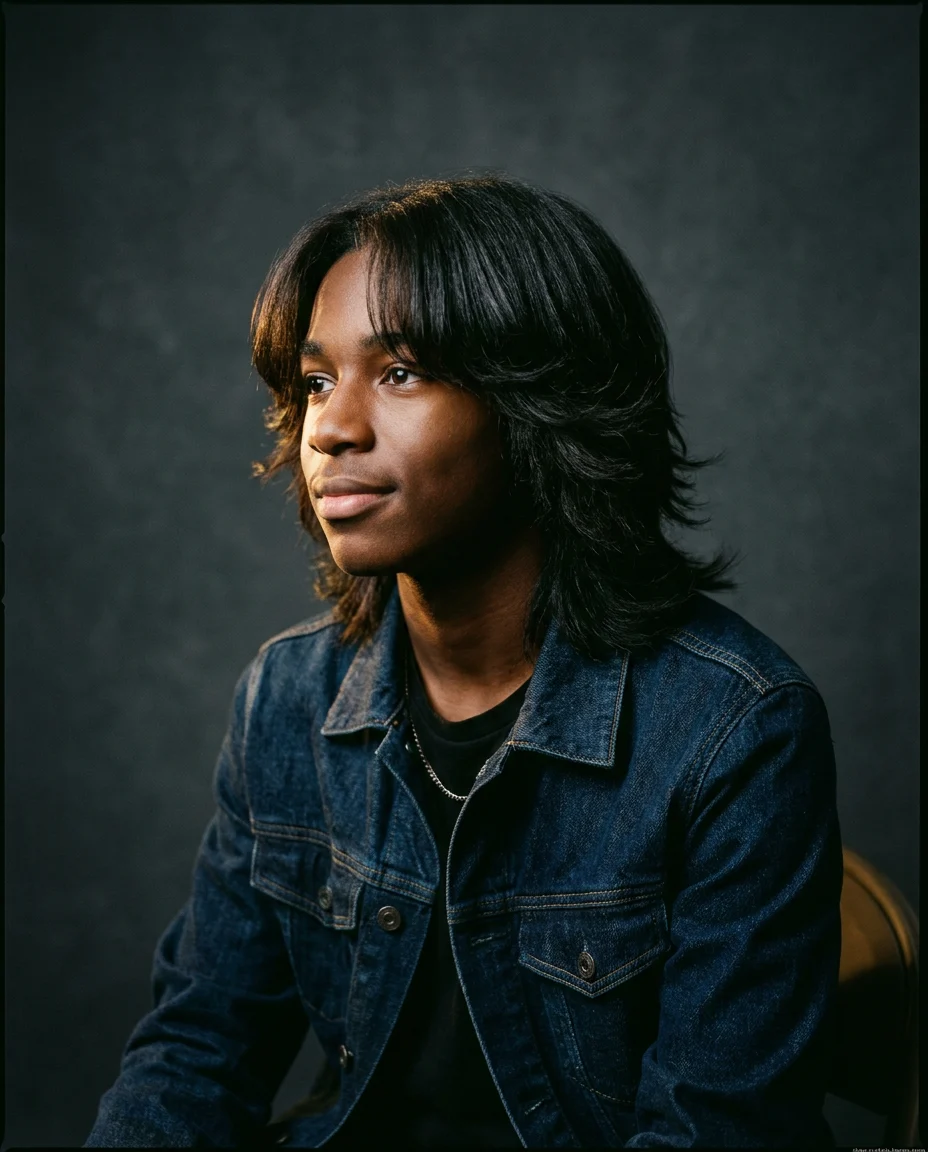
Curtain bangs split down the center and sweep to both sides, framing the face instead of covering it. Straight hair holds them exactly where you cut them.
Bangs land at eyebrow level, blending into shag layers past the ears. Too short and it looks like a mistake.
A round brush and 5 minutes of blow-drying gets the flare right — straight hair air-dries fine too.
3. Medium Shag with Textured Fringe

Push the fringe forward and heavy instead of parting it — the cut reads younger and more casual on purpose.
Layers get razored, not sheared, roughing up the ends and killing any hint of a helmet shape.
The trade-off is frequency — this one grows out fast and needs a trim every 4 weeks before the fringe droops into the eyes.
4. Medium Shag with Low Fade
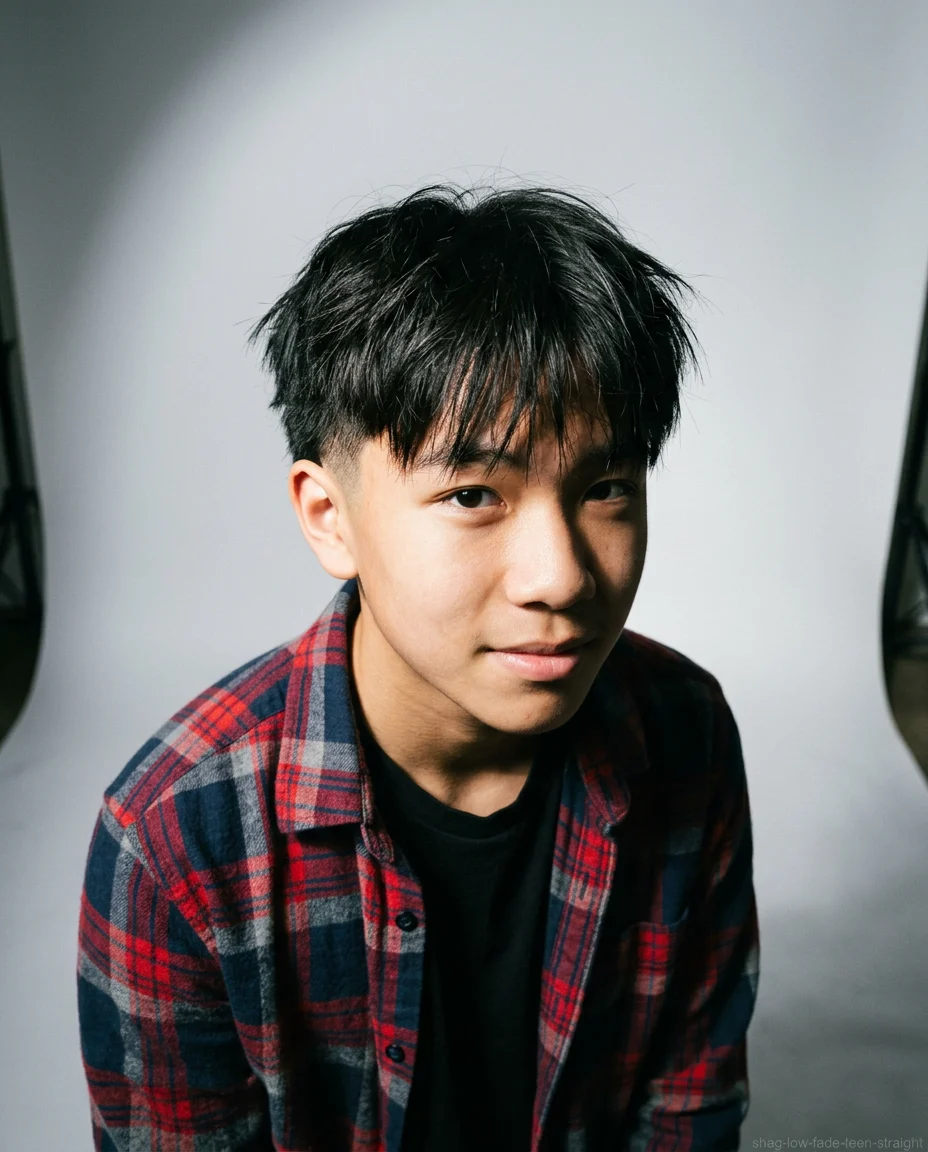
A low fade keeps things clean at the bottom while the shag stays chaotic up top — easier to get approved at school.
The fade sits just above the ears, tapering out before it hits the layers — no harsh line where the two textures meet.
It needs fade upkeep every 3 weeks even if the top goes 6. That’s the real cost of mixing a fade into a longer style.
5. Medium Shag with Side Part
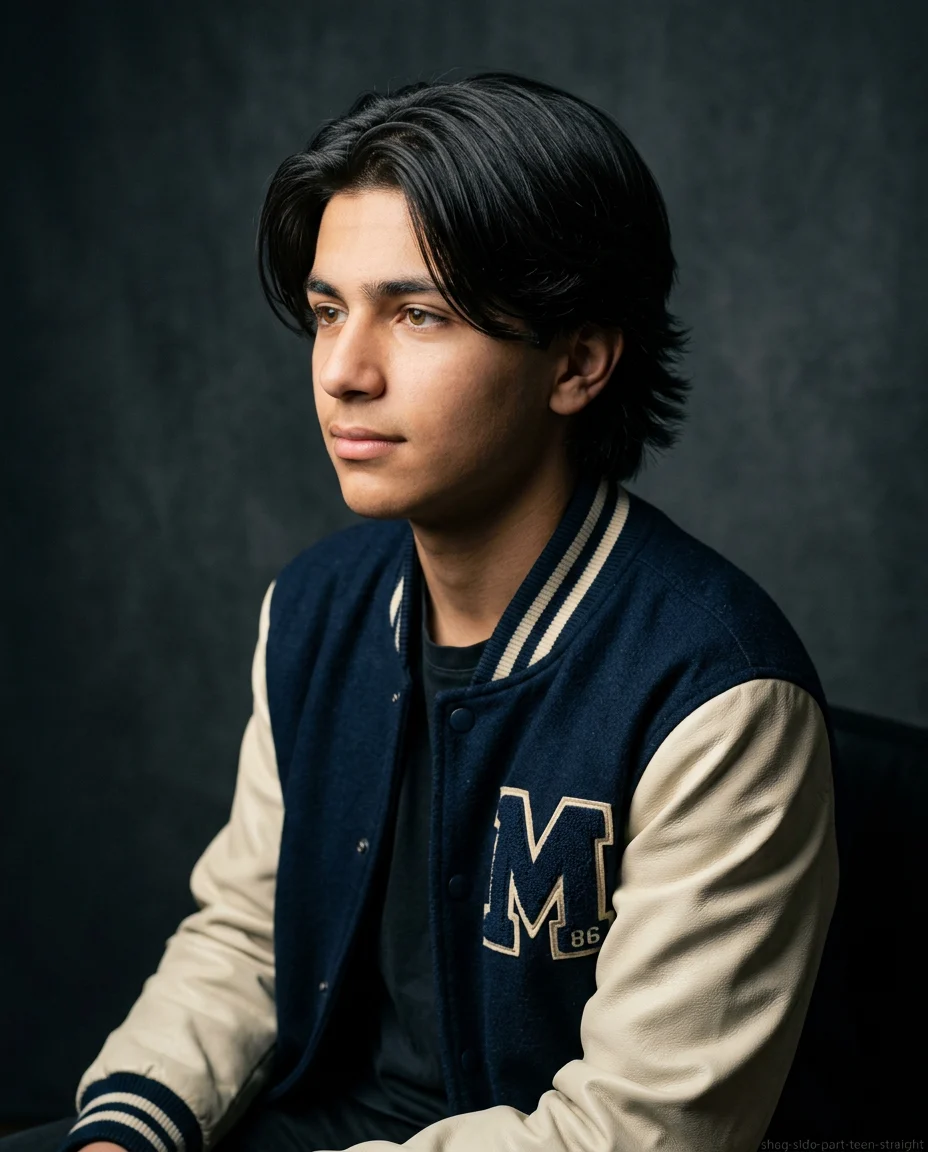
A side part gives an otherwise messy shag visible structure — what most barbers recommend for a first attempt at the style.
Straight hair holds a part line for a full day without product, sometimes longer. That’s the honest advantage here.
Comb the part in while hair is damp, then let the layers do their thing. Overworking it with gel flattens the shag.
6. Medium Shag with Mullet Edge
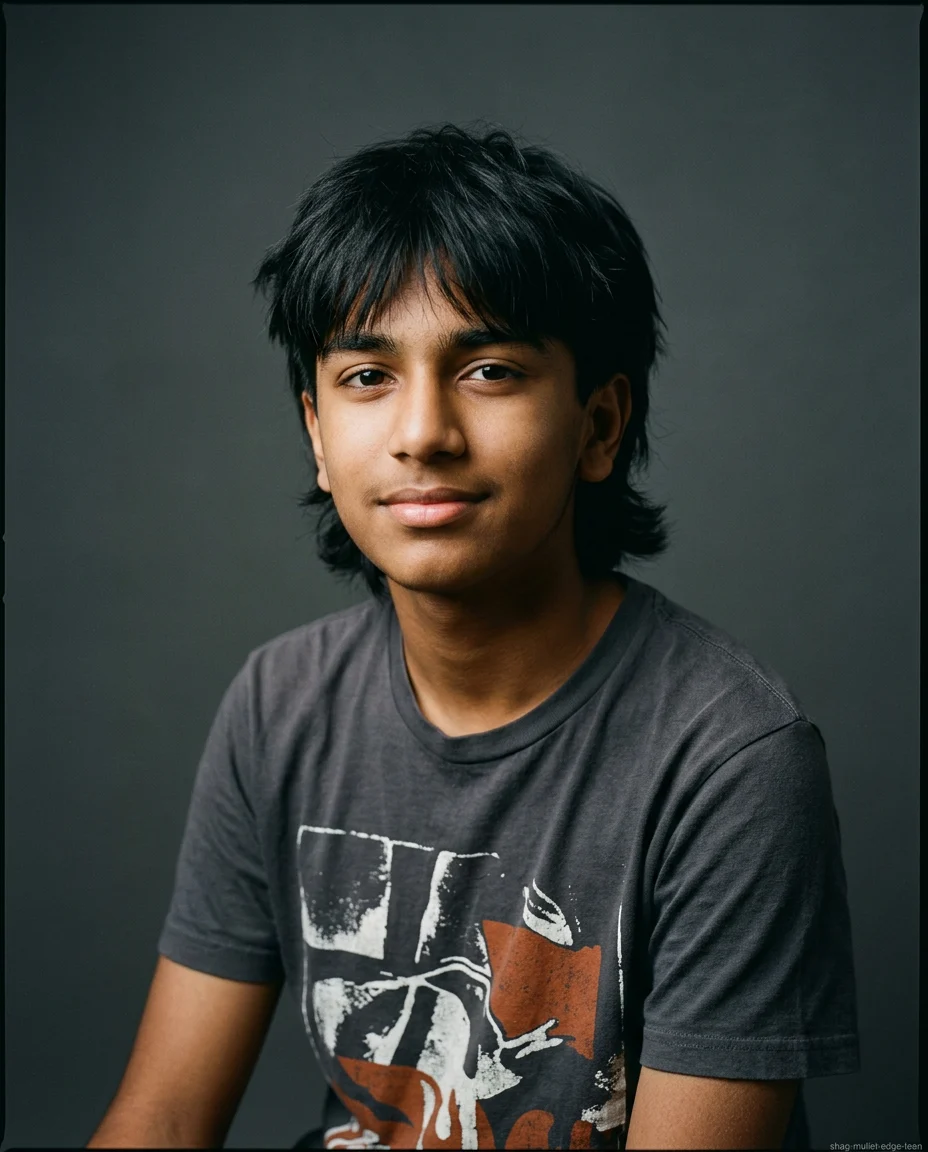
Push the back half an inch or two longer, and you get a shag with a mullet’s attitude, minus the full commitment.
It works best on straight hair, since the back length hangs instead of curling up and losing shape.
This one polarizes people — dated to some, the whole point to others.
7. Choppy Medium Shag
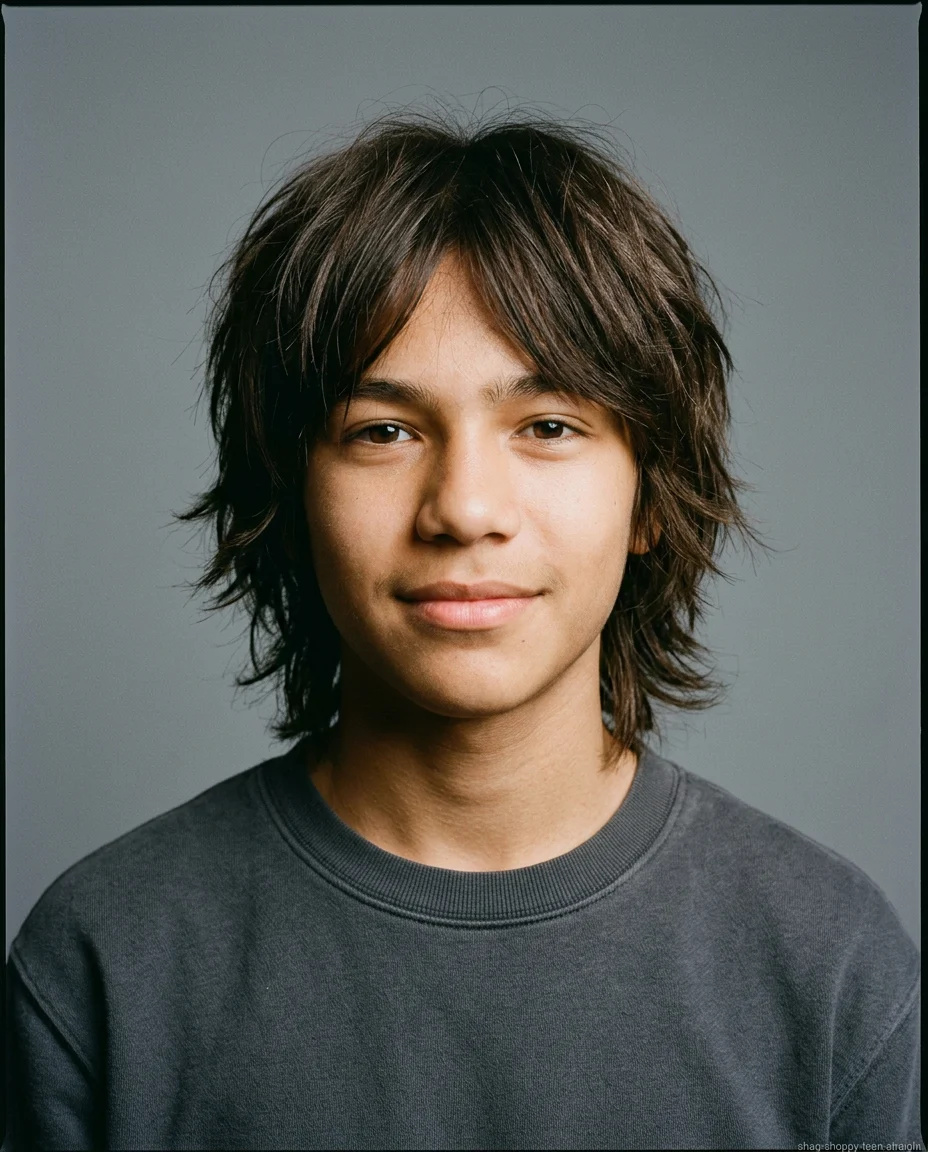
Every layer here gets cut at a slightly different angle, on purpose, so nothing lines up too neatly.
Straight hair shows the choppiness more clearly than wavy hair, since there’s no texture to hide the razor work.
It needs almost no styling. Towel-dry it, run fingers through, done in under 2 minutes.
8. Medium Shag with Skin Fade

Skin fades push the contrast as far as it goes, shaving the sides to nothing while the top stays long and loose.
This is the highest-maintenance version here — the fade needs a refresh every 2 to 3 weeks or it grows into a fuzzy mess.
Straight hair sharpens the contrast further, since the layers fall flat right against the shaved line.
9. Medium Shag with Undercut
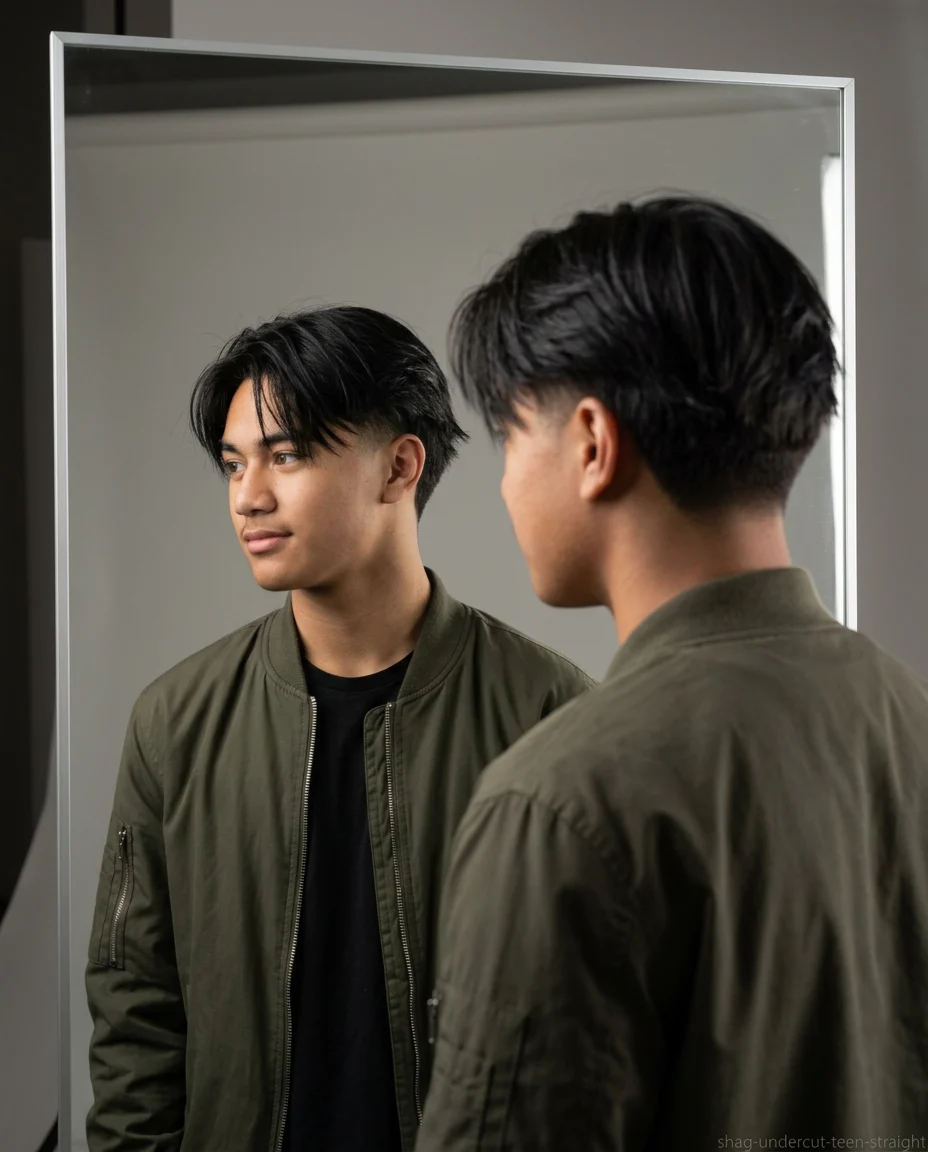
An undercut hides beneath the top layer instead of showing at the sides, so this reads more subtle than a skin fade.
Longer top hair drapes over the shaved section, so the undercut barely needs upkeep — once every 8 weeks or so.
The top still needs regular 6-week shag trims. Don’t assume the undercut lets you stretch out the whole haircut.
10. Feathered Medium Shag
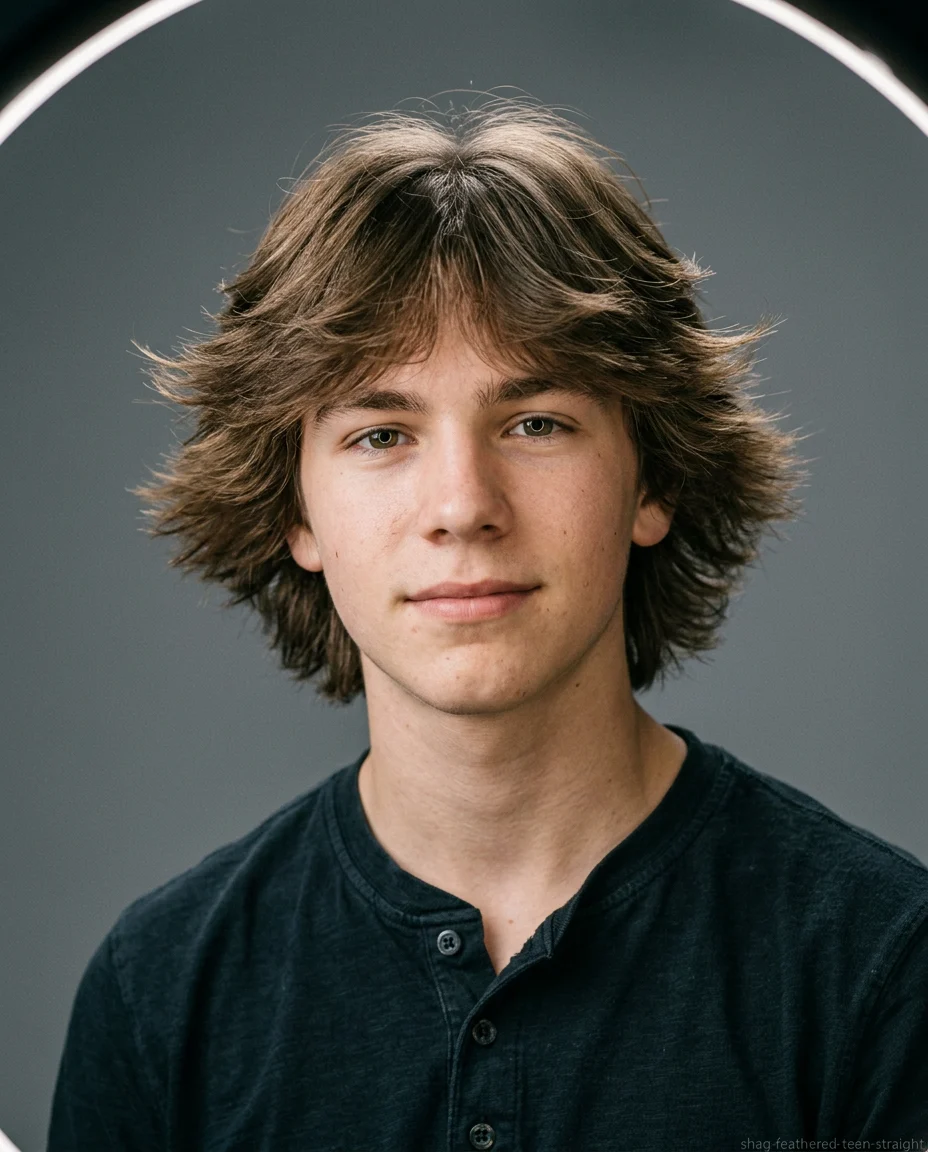
Feathering flares the ends out and up instead of hanging straight down, which is where the shag’s 70s reputation comes from.
It takes a round brush and some blow-drying — one of the few shags here that asks for daily styling.
Skip it, and it just looks like long straight hair with layers. The feathering is the whole point.
11. Medium Shag with Middle Part
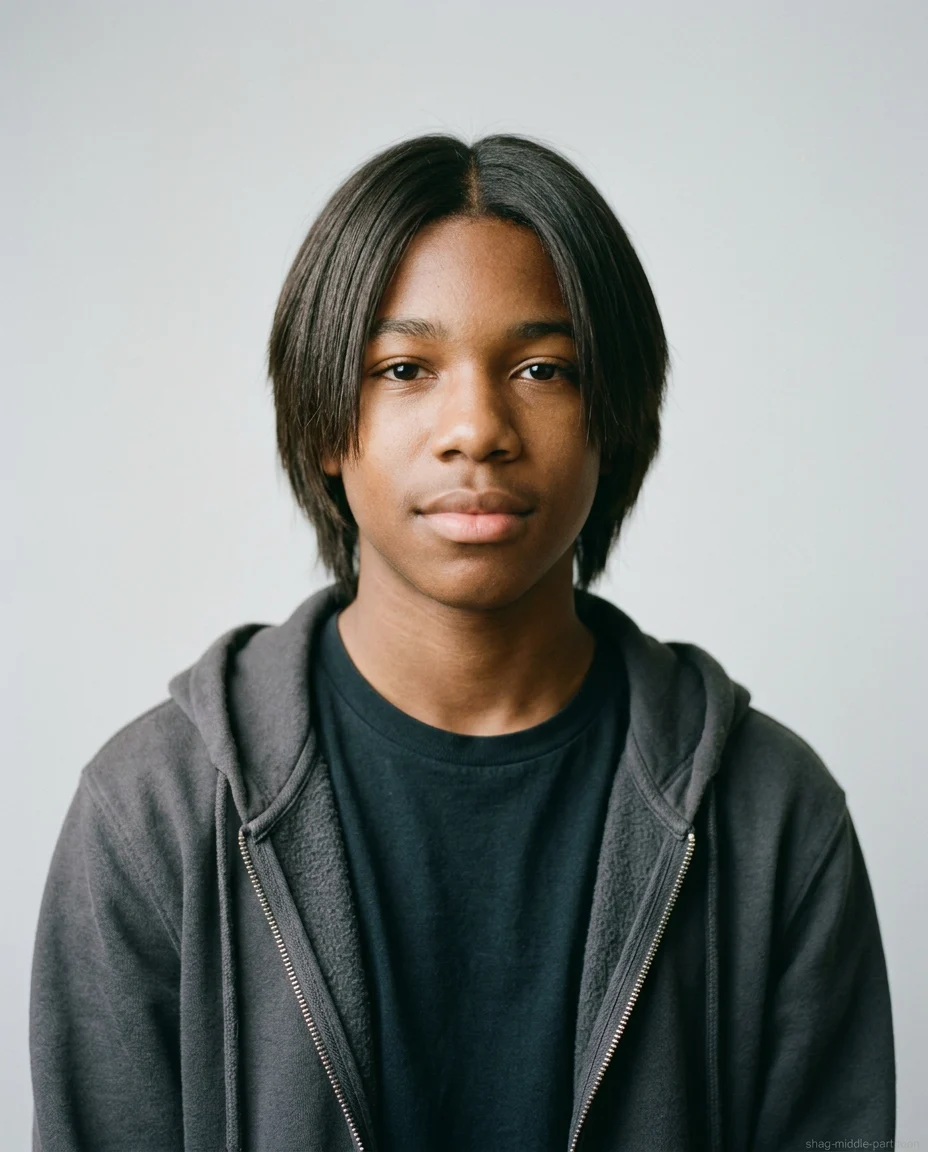
A middle part splits the top evenly, letting the layers fall toward the jaw on both sides — symmetrical in a way most shags aren’t.
It photographs well, which is why it’s all over style boards, but it needs more length up top — around 4 inches minimum.
Shorter than that, the part looks accidental instead of intentional. Ask your barber to hold the length.
12. Wolf-Cut Style Medium Shag
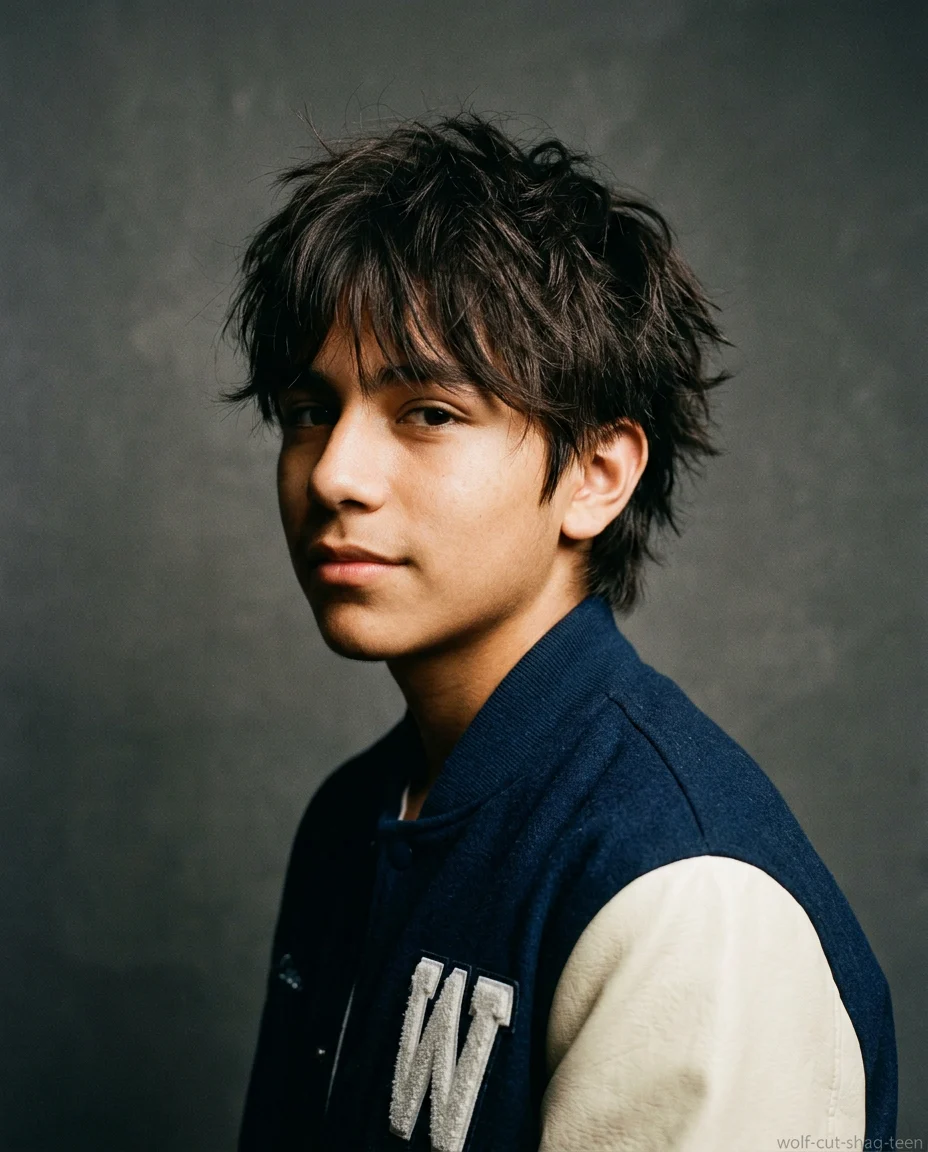
The wolf cut borrows the shag’s layering but adds spikier, more separated pieces at the crown — closer to a mullet-shag hybrid.
It needs texturizing spray or wax daily to keep the spikes apart, or it collapses into a regular shag by afternoon.
This is a commitment cut, not a low-effort one. Budget an extra 5 minutes each morning.
13. Medium Shag with Face-Framing Layers
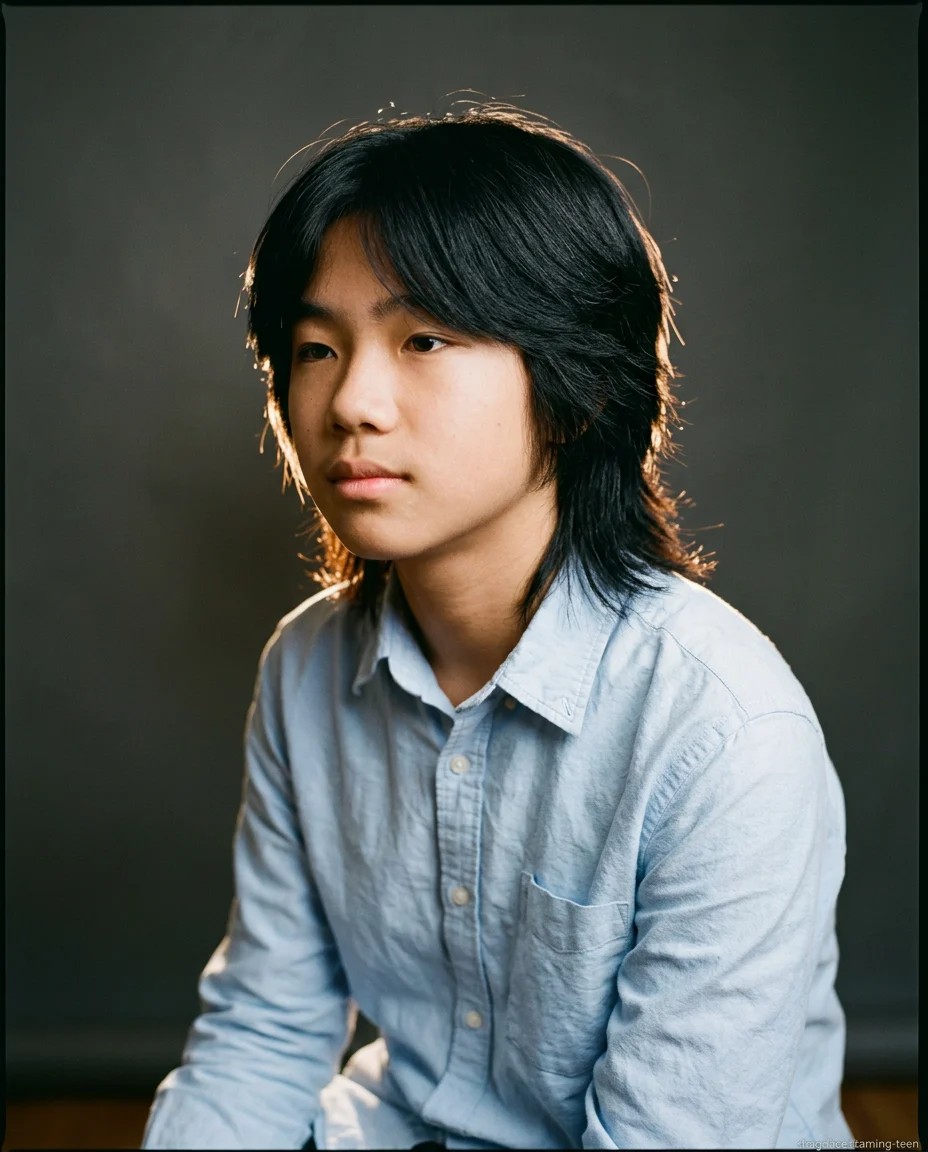
Shorter layers around the cheekbones and jaw pull attention to the face, while the rest of the shag runs longer in back.
Face shape matters more here than in most of these variations — round faces usually get the most benefit.
It takes a longer appointment to cut the face-framing pieces evenly. Rushing it on straight hair shows immediately.
14. Medium Shag with Long Fringe
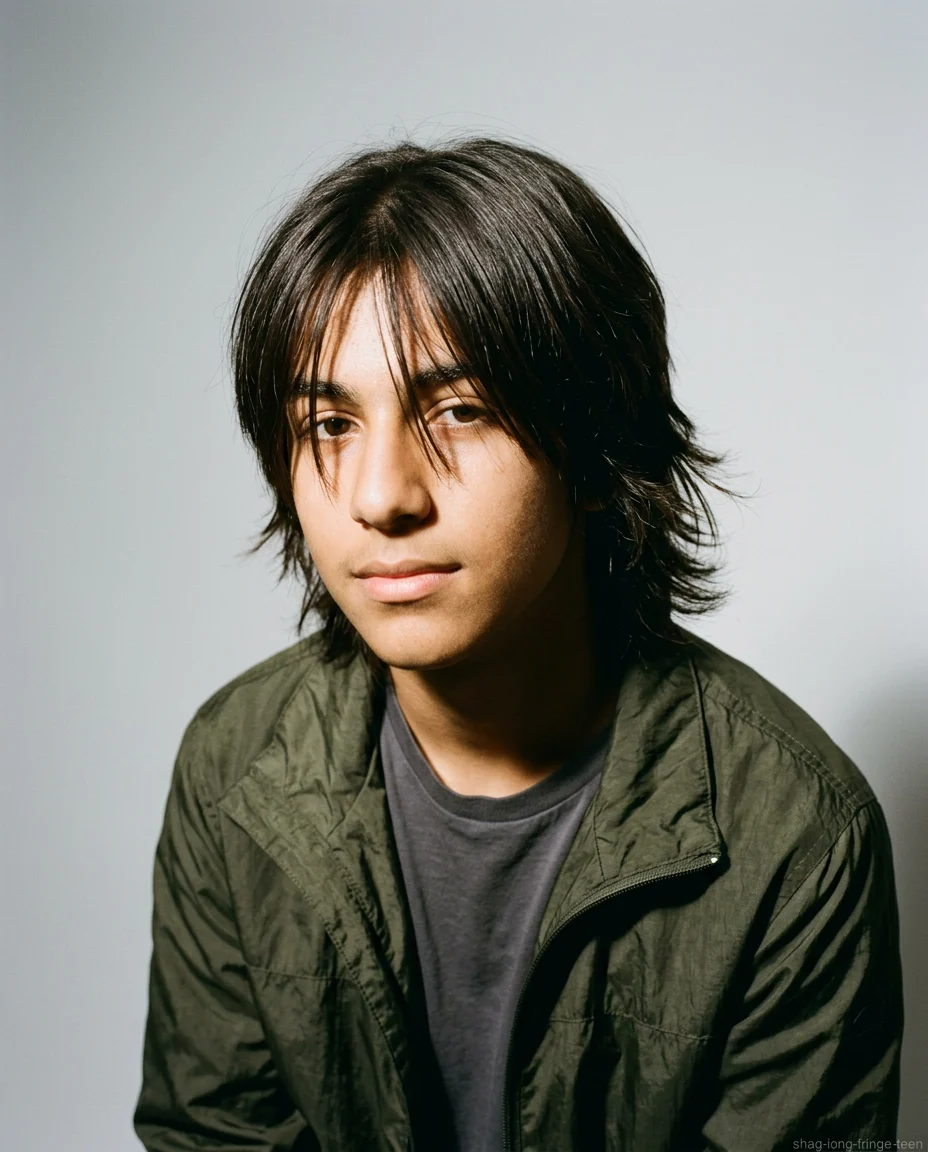
Grow the fringe out past the eyebrows instead of trimming it short, and it becomes a defining feature, not an afterthought.
Straight hair lets it hang in one clean sheet instead of curling away from the forehead.
It needs pushing out of the eyes all day. Some guys love that, some quit within a week.
15. Medium Shag with Taper Fade
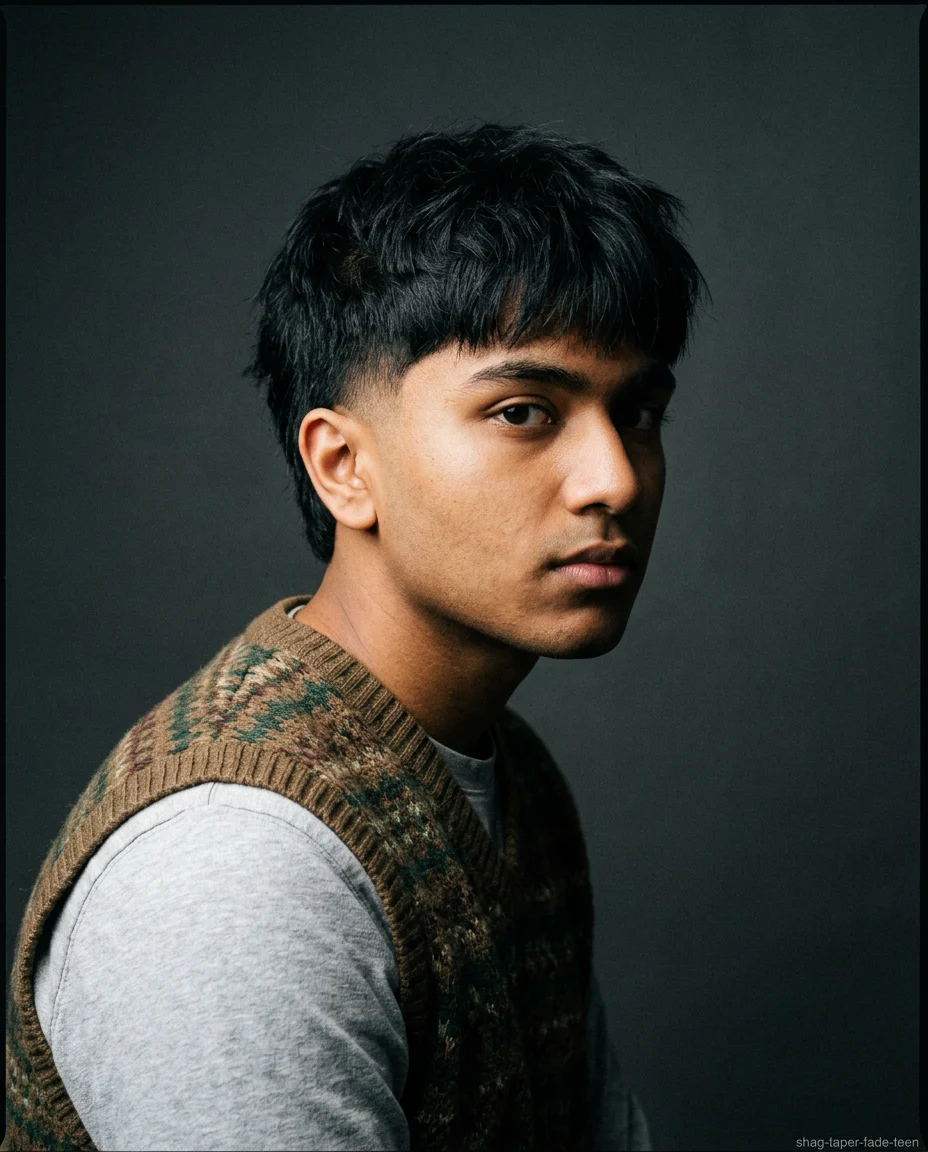
A taper fade is the gentler cousin of the skin fade, blending down gradually instead of cutting hard against skin.
That gradual blend means less upkeep than a skin fade — closer to every 4 weeks instead of 2 to 3.
It’s what most barbers suggest for a first fade-plus-shag combo, since the softer line forgives small growing-out mistakes.
16. Disconnected Medium Shag
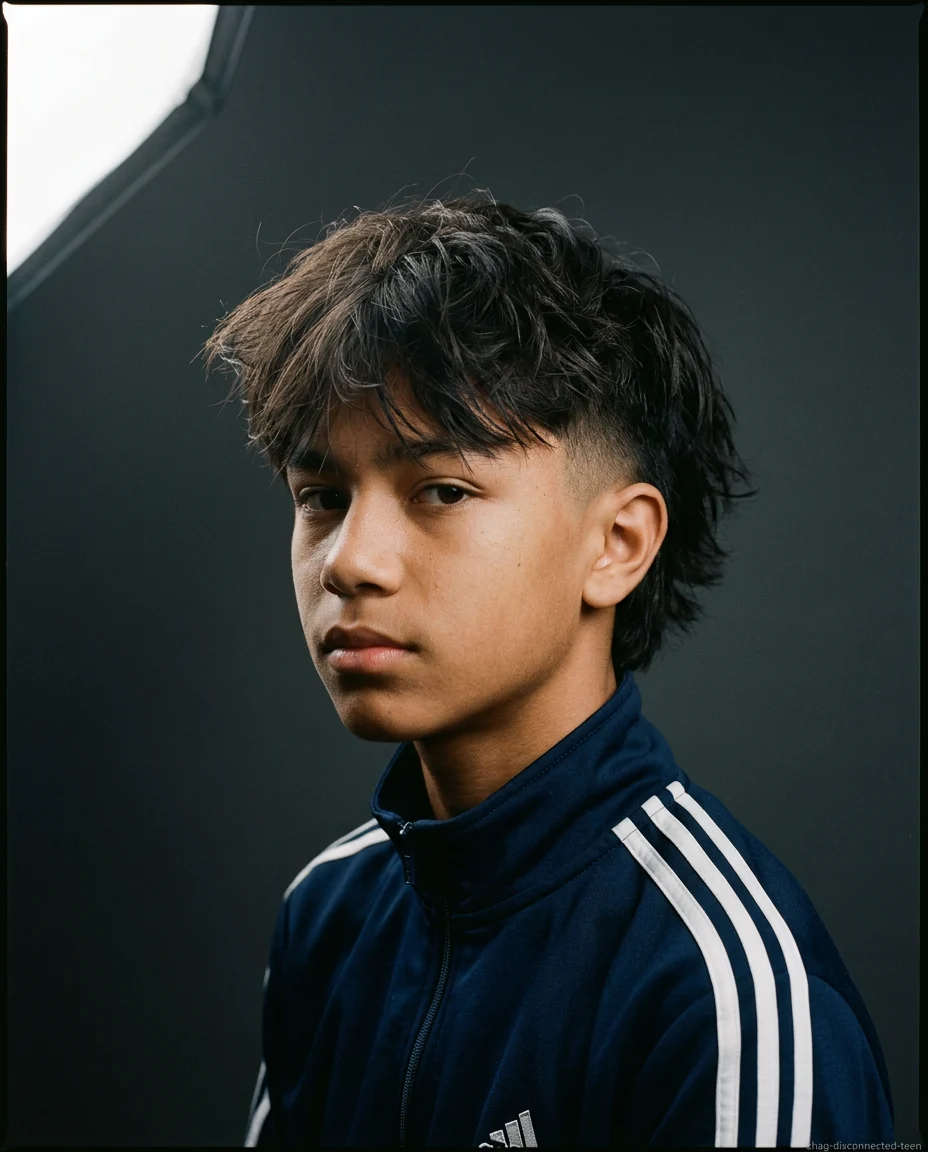
Disconnected undercuts skip the gradual blend entirely, cutting straight from skin to full length with no transition zone.
That hard edge reads more aggressive and modern than a tapered version, sharper under direct light.
The downside is regrowth — no fade to hide the in-between stage, so this needs trims every 3 weeks to stay sharp.
17. Medium Shag with Natural Flow
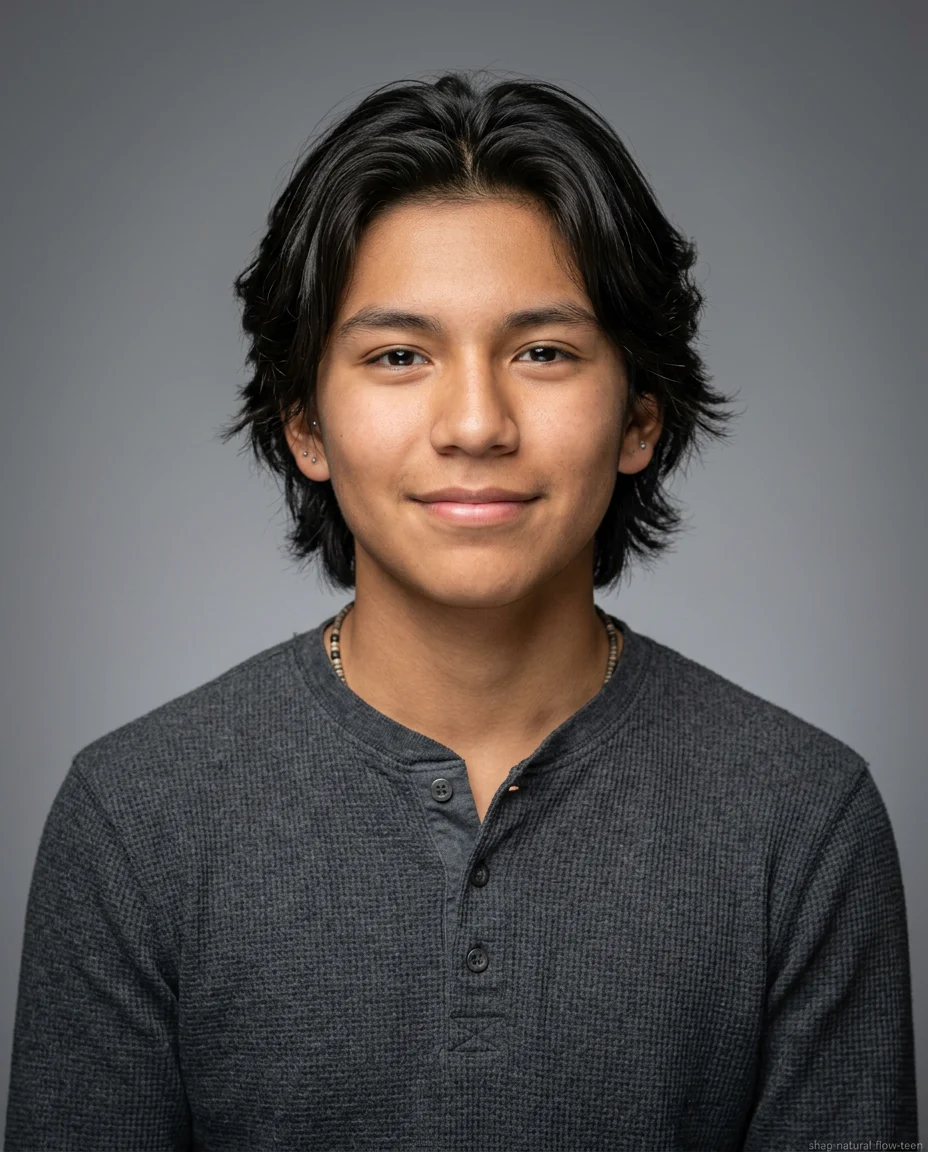
No hard part, no heavy fringe — just layers combed back and left to fall the way straight hair naturally wants to.
This is the lowest-maintenance shag on the list. Towel-dry, maybe a comb-through, done in under a minute most mornings.
The trade-off is it looks the least like a “shag” at a glance. Some guys want that subtlety, others feel it wastes the cut.
18. Textured Crop Shag

A cropped fringe up front, cut short and choppy, gives way to longer shag layers moving back toward the crown.
It borrows from the crop cut trend while keeping the shag’s looser length everywhere but the front third.
The crop section needs trimming more often, roughly every 3 weeks, so it doesn’t grow out into the longer layers behind it.
19. Medium Shag with Razored Ends
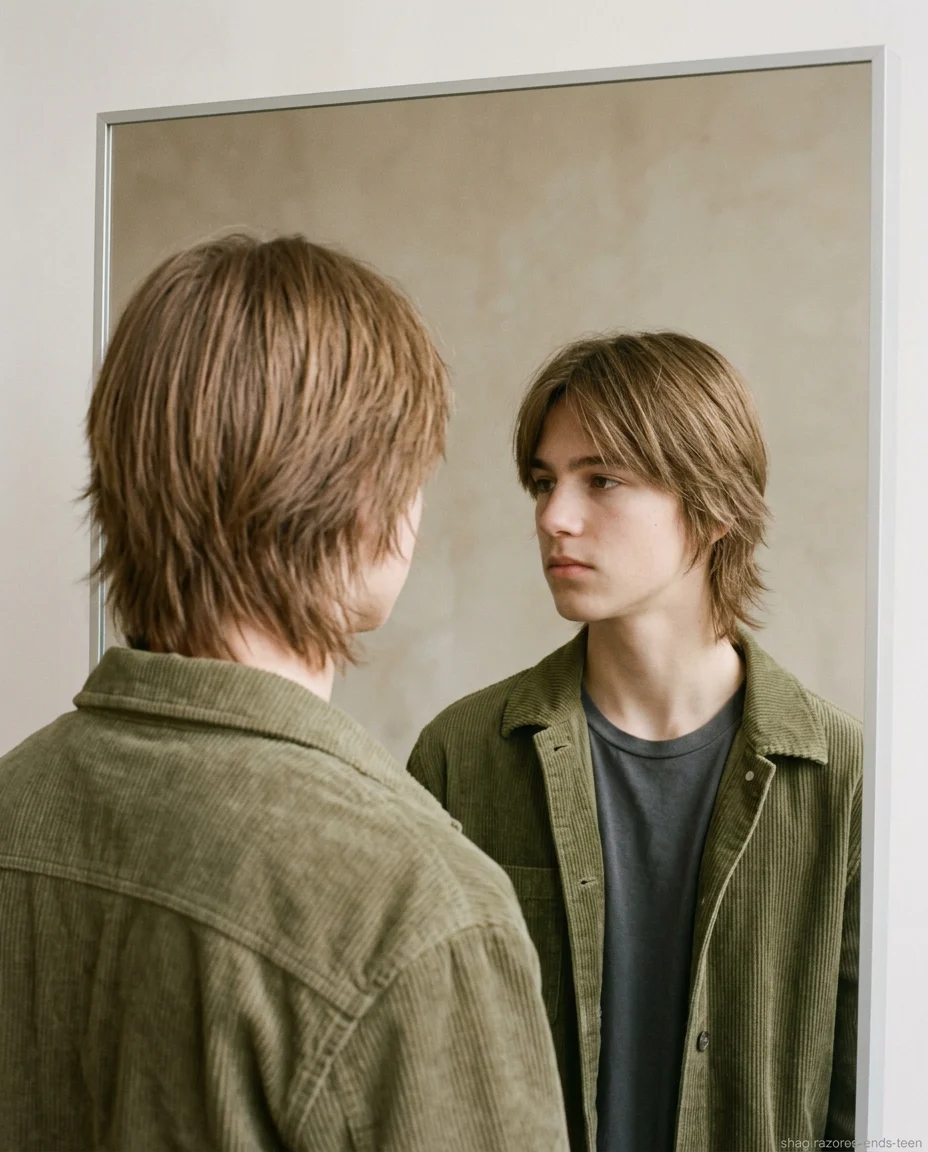
Razoring every end instead of using shears thins the hair and softens the finish — it matters more on thick straight hair than thin.
Thin straight hair looks sparse with too much razor work, so this one needs real density to spare.
Ask your barber how much they’re taking off first. Over-razored ends don’t grow back evenly, and that mistake takes months to fix.